
A recall effort targeting Seattle Mayor Katie Wilson has moved into the next stage of Washington’s legal process, but voters are not yet being asked to sign petitions.
Two Seattle residents filed recall charges against Wilson on August 11, 2026, accusing her of failing to meet public-safety responsibilities. Their allegations focus on police leadership, neighborhood crime concerns, surveillance cameras, and the city’s response to a deadly shooting at the Bite of Seattle festival.
The claims have not been proven in court. Wilson remains in office, and the next major step is an August 31 hearing in King County Superior Court, where a judge will decide whether the charges are legally sufficient to continue.
Two residents started the recall effort

Melinda Jacobson and Dale Osterud submitted the recall charges against Wilson. Their filing argues that the mayor was derelict in duties related to public safety and identifies several Seattle neighborhoods where they believe city leadership has fallen short.
Those allegations are part of the sponsors’ case and should not be treated as facts. Washington’s recall law requires courts to review whether charges are sufficiently specific and legally adequate before supporters can begin collecting signatures.
The case now moves to court
The King County Prosecuting Attorney’s Office completed its initial technical review and forwarded the matter to the King County Superior Court.
Judge Patrick Oishi is scheduled to hold a hearing on August 31. At that stage, the court will determine whether the recall charges meet Washington’s legal standard and can move forward to the petition stage.
No signatures are currently being collected. The filing is still in the legal-review phase.
Public safety drives the allegations
The recall charges focus heavily on conditions in areas including North Aurora, the Chinatown International District, Belltown, and Third Avenue.
The sponsors cite concerns involving crime, drug activity, prostitution, and other neighborhood safety issues. They also cite communications from residents and businesses in their argument that the mayor failed to respond adequately.
Those claims provide the basis for the recall effort, but they do not constitute a court finding that Wilson violated state law or neglected a legally required duty.
Police leadership is part of the dispute
The filing also criticizes Wilson’s handling of former Seattle Police Chief Shon Barnes.
Barnes left the position after Wilson sought his resignation following increased scrutiny of the city’s public-safety response. Deputy Chief Andre Sayles was named interim chief.
The recall sponsors treat that leadership changes as part of their broader argument about the mayor’s handling of crime and policing. Whether those decisions can legally support a recall will be part of the court’s review.
A deadly festival shooting added pressure
The recall filing came after a July 26 shooting at the Bite of Seattle festival that killed three people and injured four others, according to Seattle police.
Police said people exchanged gunfire near Seattle Center, and the investigation continued afterward. The incident intensified criticism of the city’s public-safety strategy and was followed by Barnes’s leadership change.
The sponsors reference the shooting in their filing, but the existence of the incident alone does not establish misconduct by the mayor.
Surveillance cameras are another issue
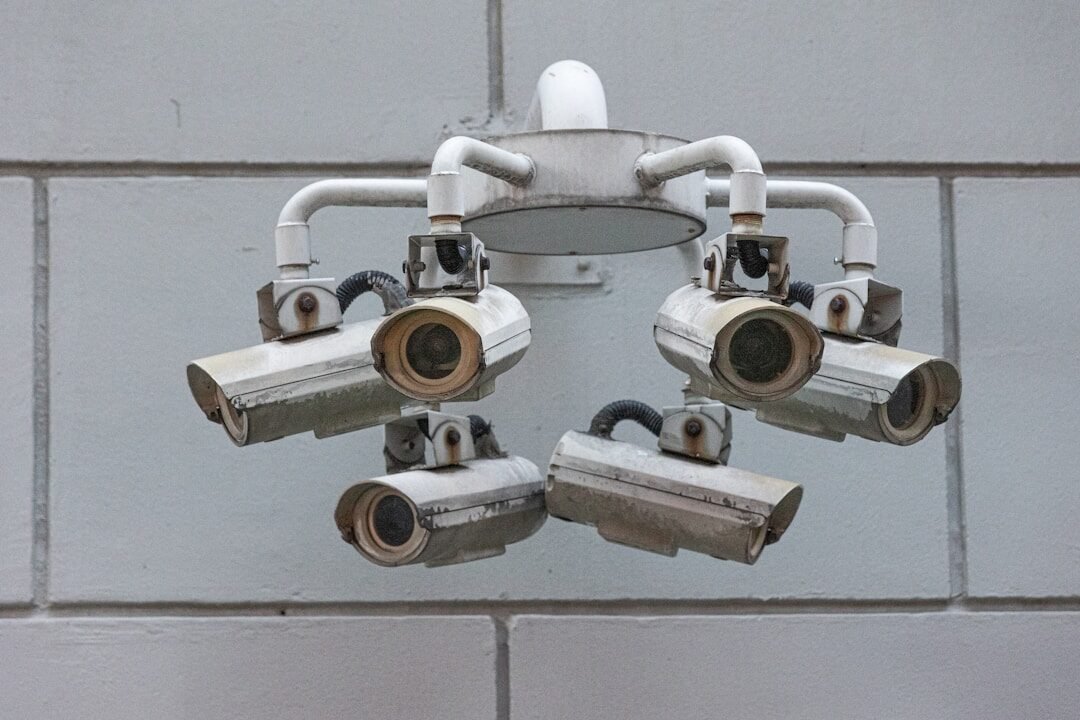
The recall charges also accuse Wilson of failing to activate or restore certain surveillance cameras in areas where residents and businesses had requested them.
The filing mentions North Aurora, the Chinatown International District, and Third Avenue. Supporters of the recall argue that camera coverage could help police respond to crime and improve neighborhood safety.
The legal question, however, is not simply whether cameras would have been useful. The court must determine whether the allegations describe acts or failures that can legally support a recall under Washington law.
The process still has several hurdles
Even if the Superior Court allows the charges to proceed, the recall would still be far from reaching voters.
Supporters would first need to collect the required number of valid signatures. Additional legal challenges could also arise depending on the court’s ruling and the wording of any approved petition.
Only after those requirements are satisfied could a recall election potentially be scheduled.
What happens next
The August 31 hearing is the most important immediate step because it will determine whether the recall effort can advance beyond the filing stage.
If Judge Oishi finds the charges legally insufficient, the effort could end unless sponsors successfully challenge that decision. If the charges are approved, supporters could move toward circulating petitions and gathering signatures.
For now, Wilson remains mayor, and the allegations are unproven and are undergoing judicial review.
TL;DR
- Two Seattle residents filed recall charges against Mayor Katie Wilson on August 11, 2026.
- The allegations focus on public safety, police leadership, surveillance cameras, and neighborhood crime concerns.
- The filing also references the July 26 Bite of Seattle shooting.
- Former Police Chief Shon Barnes’ departure is part of the sponsors’ case.
- The King County Prosecuting Attorney’s Office completed its technical review.
- Judge Patrick Oishi is scheduled to hold a hearing on August 31.
- Signature collection has not started, and no court has found that Wilson violated the law.