

Texas is moving toward one of the largest transmission expansions in its history, but growing opposition from landowners and state lawmakers is putting parts of the plan under greater scrutiny.
The Texas 765 kV Strategic Transmission Expansion Plan would create an extra-high-voltage backbone capable of moving enormous amounts of electricity across the state. ERCOT estimated its capital cost at approximately $32.99 billion, compared with about $30.75 billion for the 345 kV alternative it studied.
Supporters say the system is needed as electricity demand rises from oil and gas operations, manufacturing, population growth, and data centers. Opponents are questioning whether individual lines are necessary, how quickly regulators are approving them, and how much private land Texans should be required to give up.
The plan reaches across Texas

ERCOT developed the 765 kV strategy while studying how to serve rapidly increasing electricity demand through 2030 and beyond.
The system would use 765-kV lines, which can carry more power over long distances than the 345-kV lines commonly used in Texas. ERCOT says the capability could create a more efficient backbone between areas that produce electricity and regions experiencing large demand increases.
The plan includes thousands of miles of new transmission corridors and upgrades to existing infrastructure.
The price approaches $33 billion
ERCOT estimated the 765 kV strategy at approximately $32.99 billion in construction costs.
Its alternative 345 kV plan was estimated at $30.75 billion, making the extra-high-voltage option roughly $2.24 billion more expensive in the comparison. ERCOT also found that the 765 kV design could require fewer upgrades to existing lower-voltage lines.
Transmission costs are generally recovered through the electric system, meaning Texans can ultimately help pay for projects through electricity rates even when no transmission line crosses their property.
One major line faces opposition
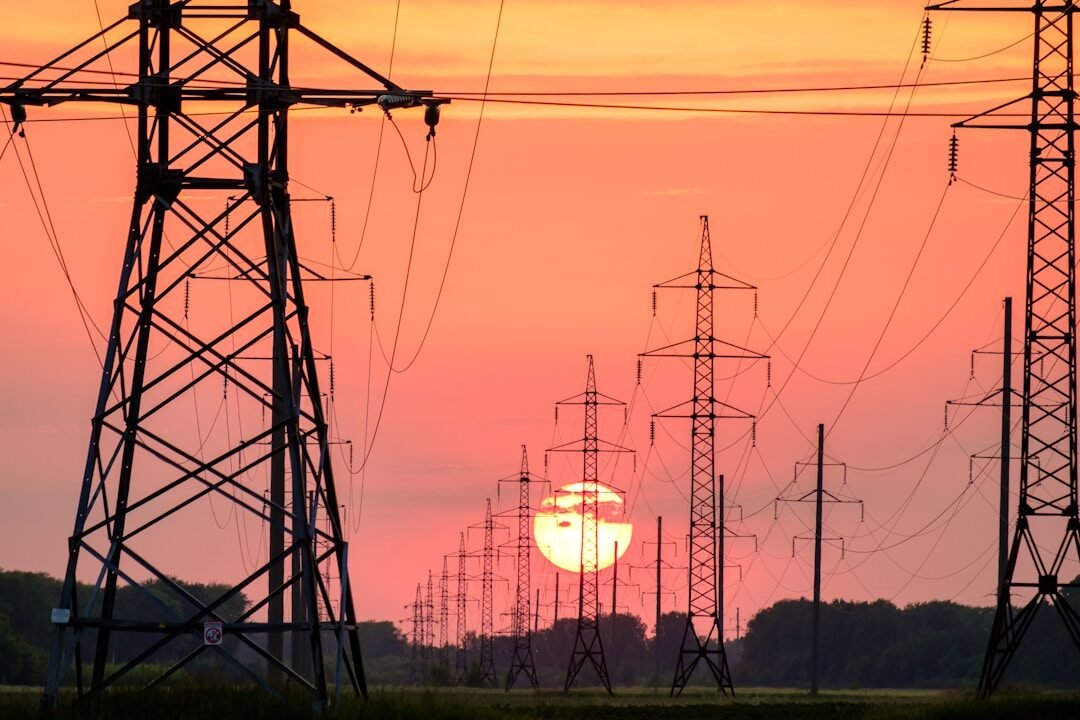
Much of the current backlash concerns the proposed Bell County East-to-Big Hill 765-kV transmission project.
The line would connect an existing facility southeast of Temple with a new substation near Eldorado. Its endpoints are approximately 199 miles apart, and the study area reaches across 14 Texas counties.
Oncor and the Lower Colorado River Authority say the project is needed to maintain reliable service and support the broader transmission expansion. A Public Utility Commission decision had been expected in September 2026.
More than 40 state lawmakers have joined calls for regulators to slow or reconsider the process amid concerns about landowner notice, routing, costs, and whether enough alternatives were examined.
Landowners worry about property rights
For many rural Texans, the debate is less about voltage and more about what happens to farms and ranches.
Transmission projects require wide rights-of-way for towers, lines, construction equipment, and maintenance access. Utilities can negotiate easements with property owners and may ultimately use eminent domain when agreements cannot be reached.
Residents have raised concerns about routes crossing working ranches, family land, environmentally sensitive areas, and properties held for generations. Public filings in the Bell County East to Big Hill case include thousands of protests and other submissions regarding proposed routes.
Landowners argue that major infrastructure may be necessary, but should not move so quickly that affected families cannot meaningfully participate.
Texas uses a 180-day deadline

State law generally requires the Public Utility Commission to approve or deny an application for a new transmission facility within 180 days after a complete application is filed.
The shorter timeline was intended to accelerate construction as Texas faced rapidly increasing electricity needs.
Critics now argue that 180 days can be difficult for unusually large projects covering hundreds of miles and numerous counties. Property owners may need time to understand alternative routes, hire attorneys or experts, assess environmental impacts, and prepare evidence for regulatory hearings.
Supporters of faster approvals counter that transmission itself takes years to design and construct, meaning lengthy regulatory delays could leave the grid unable to keep pace with demand.
The Permian Basin helped drive expansion
The push toward 765-kV transmission originally stemmed from concerns about electricity demand in the Permian Basin.
Oil and gas companies increasingly use electricity for drilling, pumping, processing, and other operations that once relied more heavily on onsite fuel. ERCOT developed a Permian Basin Reliability Plan after the Legislature directed it to identify infrastructure needed for the region.
The Public Utility Commission later approved 3 major 765 kV import paths into the Permian Basin in April 2025. ERCOT subsequently incorporated those projects into a broader statewide 765 kV strategy.
Data centers and new industrial projects have added another layer of demand, particularly in Central Texas.
Lawmakers are reconsidering the pace
The political landscape has shifted as residents learned more about where the transmission corridors could run.
Lawmakers who previously supported expanding the grid have begun asking regulators for additional review. Concerns raised in 2026 included notice to property owners, compressed regulatory timelines, project costs, and the question of whether every proposed line is necessary.
That does not mean Texas has abandoned the 765 kV strategy. ERCOT’s 2025 planning review continued to identify the system’s benefits and did not recommend removing its major elements, given ongoing load growth.
The fight is increasingly about where lines should run, how quickly they should be approved, who should bear their costs, and whether alternatives can protect both reliability and private property.
Supporters say the system is needed as electricity demand rises from oil and gas operations, manufacturing, population growth, and data centers. Opponents are questioning whether individual lines are necessary, how quickly regulators are approving them, and how much private land Texans should be required to give up.
TL;DR
- ERCOT estimated its broader 765 kV transmission strategy at about $32.99 billion.
- A study of a 345-kV alternative estimated the cost at roughly $30.75 billion.
- The system is intended to handle rapidly growing electricity demand across Texas.
- The Bell County East-to-Big Hill project would span roughly 200 miles and affect a 14-county study area.
- More than 40 Texas lawmakers have supported calls for additional review amid landowner concerns.
- Texas generally gives regulators 180 days to decide new transmission certificate applications.
- Oil and gas electrification, industry, population growth, and data centers are contributing to projected demand.
- Opposition has increased, but ERCOT has continued to identify a reliability need for the broader 765 kV system.