
A fast-moving wildfire temporarily closed one of Oregon’s most important travel and freight corridors as flames threatened the small eastern Oregon community of Huntington.
The Fox Fire forced officials to close approximately 70 miles of Interstate 84 between Baker City and Ontario on July 27, 2026. The interstate reopened later that day, but transportation officials warned that active fire conditions could lead to additional restrictions.
The fire also triggered an urgent evacuation order for Huntington, disrupted other highways, and filled parts of eastern Oregon with heavy smoke. Drivers were advised to check official road conditions immediately before traveling through the region.
The Fox Fire closed I-84
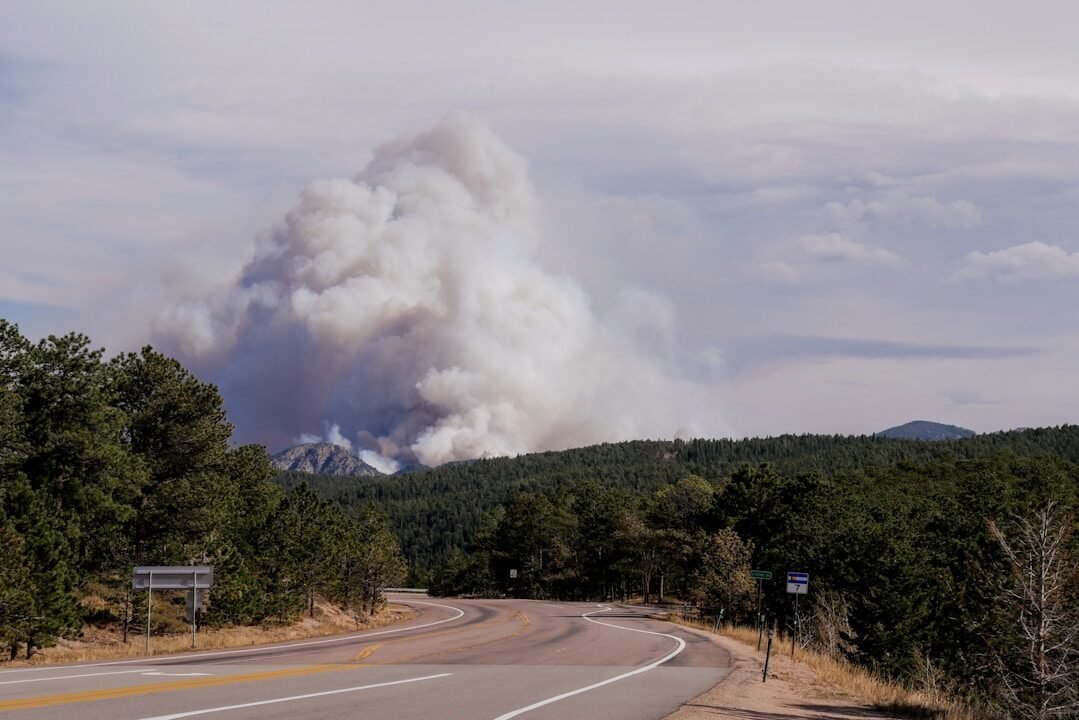
The Oregon Department of Transportation temporarily closed I-84 between Baker City and Ontario as the fire moved close to the highway.
The affected stretch covered about 70 miles and included part of the main route connecting Portland, eastern Oregon, and Boise. Officials said there was no nearby detour capable of safely handling the interstate’s normal volume of cars and commercial trucks.
The highway reopened later on July 27, but officials warned that intermittent closures were still possible. Fire crews continued working beside the interstate and protecting nearby infrastructure.
Huntington received an evacuation order
The Fox Fire began on July 23, about 12 miles northeast of Huntington, a community of roughly 500 residents.
As flames approached the town, Baker County issued a Level 3 “Go Now” evacuation order. Huntington Mayor Chuck Guerri estimated that the fire came within about 250 feet of the nearest home before firefighters controlled that section of the blaze.
By July 29, officials had lifted the Level 3 order after crews made progress around the community. Other evacuation notices remained in effect across parts of the Fox and Powder River fire areas.
The fire expanded rapidly
The Fox Fire grew to 61,908 acres by the morning of July 29 and remained 0% contained at that time.
A 0% containment figure did not mean firefighters had made no progress. It meant officials had not yet completed control lines expected to hold a measurable portion of the fire’s perimeter.
Hot temperatures, low humidity, dry vegetation, and wind helped the blaze spread across eastern Oregon’s grass and rangeland. More than 380 personnel were assigned to the incident by July 29.
Crews protected critical infrastructure
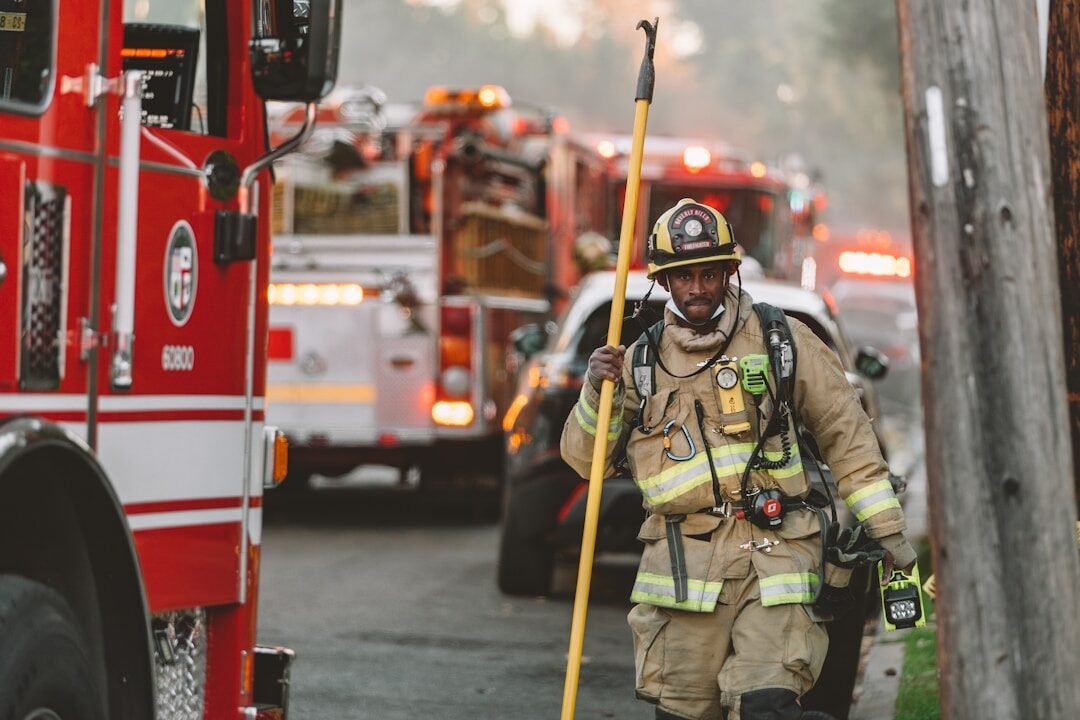
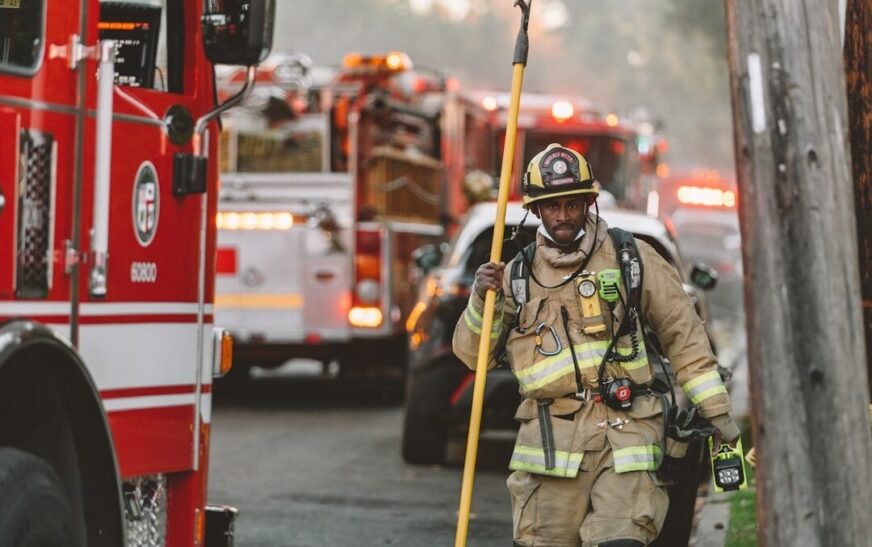
Firefighters used bulldozers, engines, sprinklers, aircraft, and intentionally burned strips of vegetation to slow the fire.
Crews focused on protecting Huntington, I-84, a nearby railroad, homes, and other infrastructure. Heavy equipment improved roads and fire lines that managers hoped to connect into a stronger boundary around the blaze.
Smoke sometimes limited visibility and could interfere with aircraft operations. Officials also imposed a temporary flight restriction and warned that unauthorized drones could force firefighting aircraft to remain on the ground.
One firefighter was injured
Huntington’s fire chief suffered head and back injuries when the fire truck he was driving rolled during the response.
The chief was airlifted for medical treatment. Initial reports did not provide a detailed update on his condition.
The crash demonstrated that wildfire response creates dangers beyond direct exposure to flames. Crews may have to drive heavy vehicles over rough roads in darkness, through smoke, over steep terrain, and amid rapidly changing conditions.
Travelers still faced serious risks
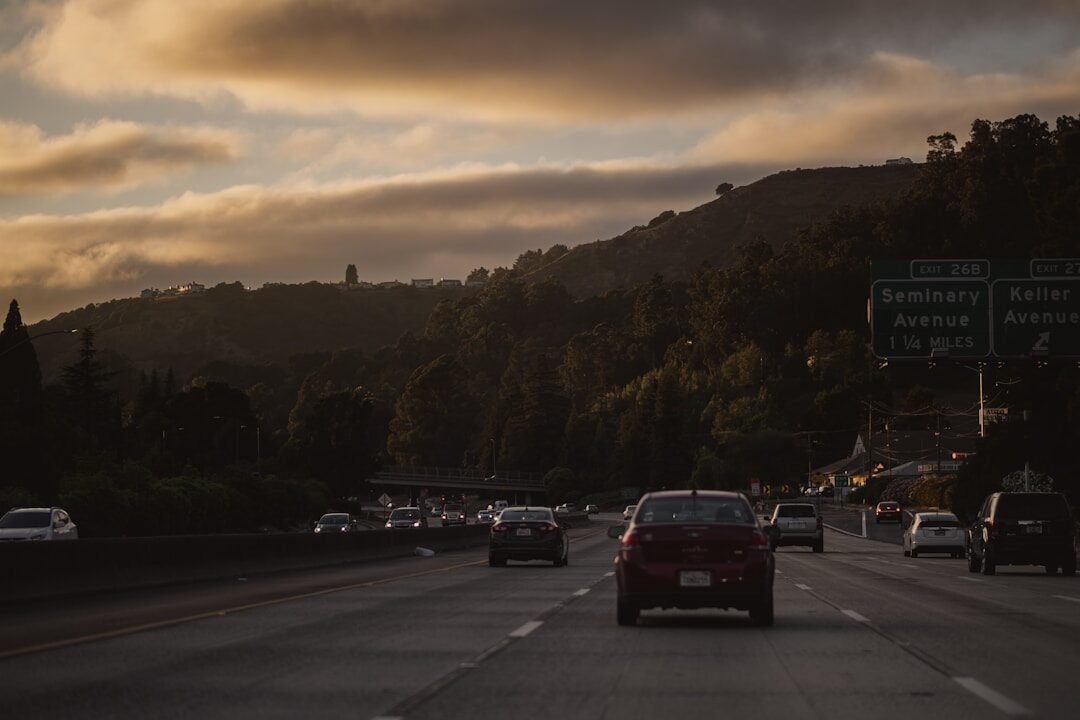
Even after I-84 reopened, drivers could encounter smoke, emergency vehicles, reduced visibility, and sudden traffic restrictions.
Motorists were advised to slow down, use low-beam headlights, leave additional space between vehicles, and avoid stopping along the highway to photograph the fire. Anyone with asthma, heart disease, or other health concerns could be more vulnerable to wildfire smoke.
Travelers also needed to consider limited fuel, lodging, charging stations, and food services in smaller eastern Oregon communities. Keeping the fuel tank above half full and downloading offline maps could help if a closure forced a long detour.
TripCheck remained the official source for Oregon road conditions. As of early August, its listings did not show the earlier 70-mile wildfire closure still in effect, although construction restrictions remained near Huntington.
Other Oregon routes were affected
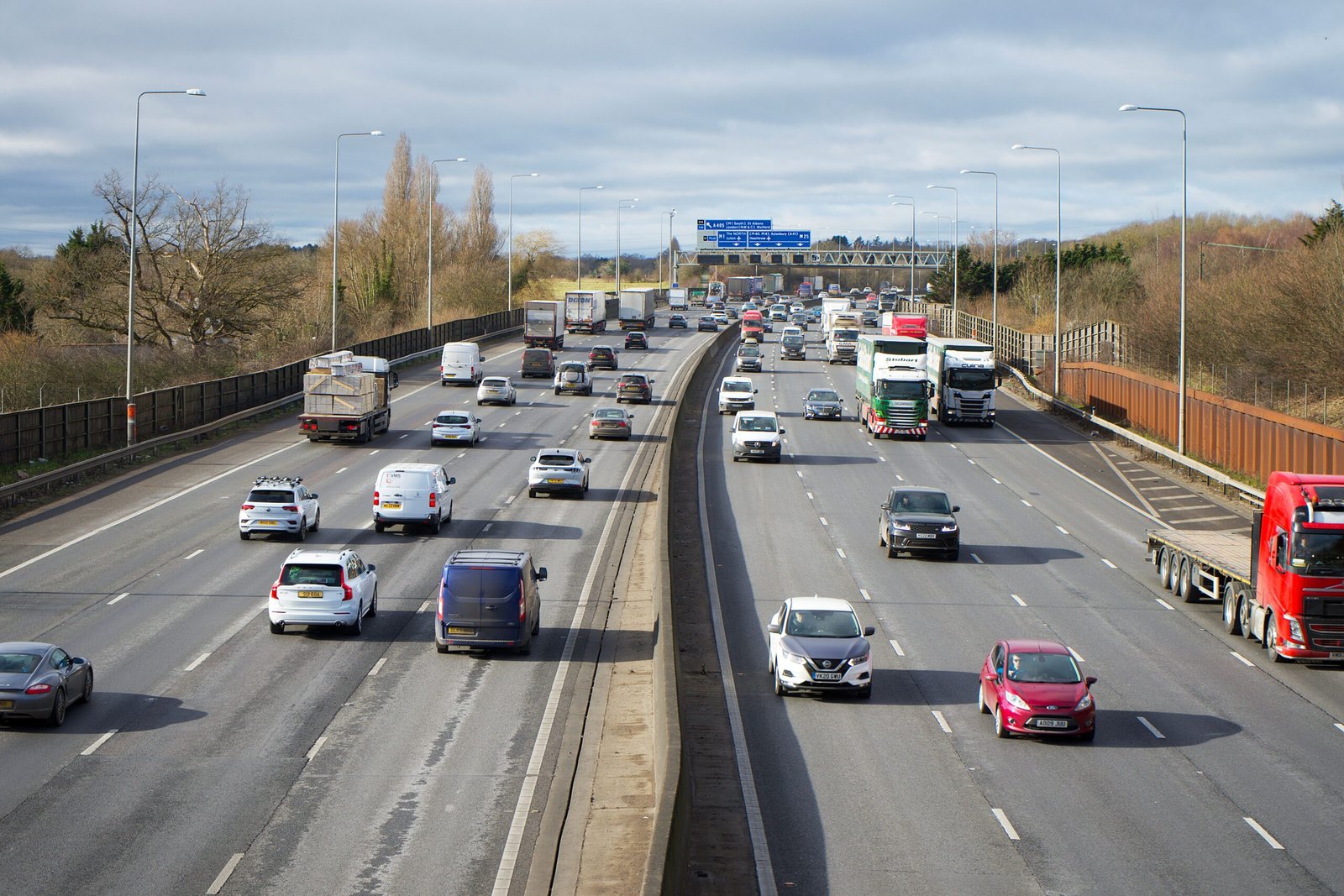
The Fox Fire was part of a much larger outbreak of wildfires across Oregon and the broader Pacific Northwest.
U.S. Route 20 was also temporarily closed between Burns and Vale because of nearby wildfire activity. In central Oregon, the Akawa Butte Fire prompted evacuation notices and access restrictions near Sisters.
Conditions could change quickly as winds, temperatures, and humidity shifted. Travelers were urged to check TripCheck, county emergency alerts, and official fire updates before leaving rather than relying on information received hours earlier.
TL;DR
- The Fox Fire temporarily closed about 70 miles of I-84 on July 27, 2026.
- The interstate reopened later that day, but additional restrictions remained possible.
- Huntington received a Level 3 evacuation order as flames moved close to homes.
- The most urgent evacuation order was lifted on July 29.
- The fire had reached 61,908 acres and remained 0% contained that morning.
- Firefighters protected homes, the interstate, a railroad, and other infrastructure.
- Drivers were advised to check TripCheck immediately before traveling through eastern Oregon.