
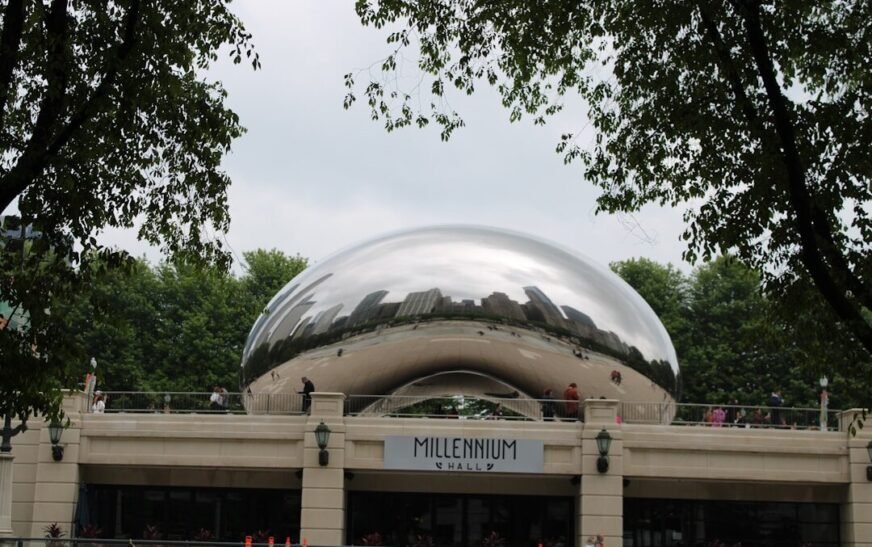
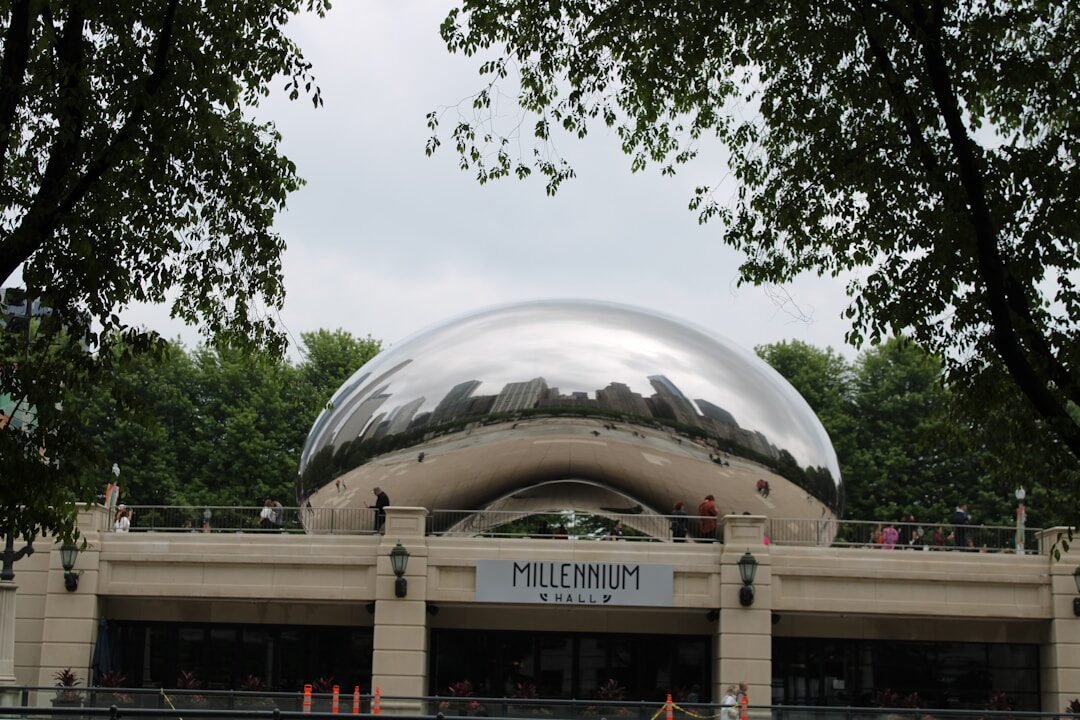
Millennium Park is usually associated with Cloud Gate, Crown Fountain, summer concerts, and winter ice skating. However, those famous attractions are only part of what the downtown park offers.
Look beyond the busiest plazas, and you will find peaceful gardens, temporary art installations, architectural landmarks, pedestrian bridges, theater performances, and surprising examples of sustainable design. The park itself is also an engineering achievement built above railroad tracks and underground parking facilities.
These 12 things to do in Chicago’s Millennium Park are different from the attractions covered in the earlier guides. They offer fresh ways to explore the park’s history, design, culture, and quieter corners.
Decode the Millennium Monument
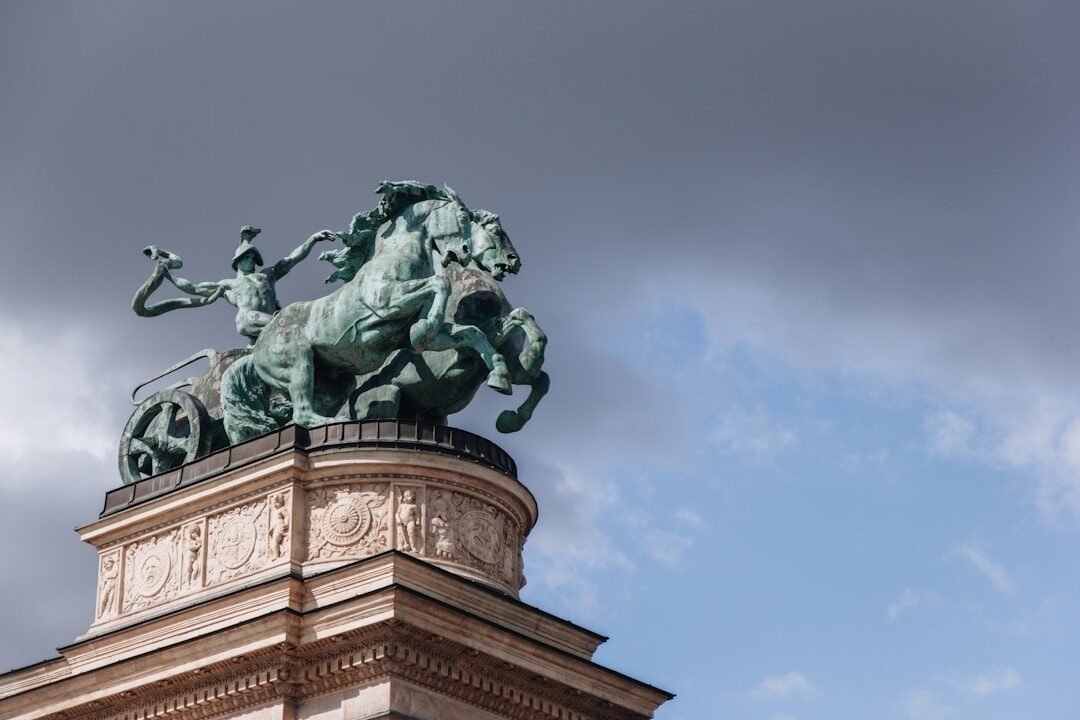
Start your visit at Wrigley Square, near the corner of Michigan Avenue and Randolph Street. The square contains the Millennium Monument, a curved row of Roman-style columns that looks much older than the surrounding park.
The monument recreates part of a classical peristyle that stood in this section of Grant Park from 1917 until 1953. Names of major Millennium Park donors appear around its base.
The square is usually calmer than the park’s central plaza, making it a good place to study the architecture, take photographs, or sit beneath the nearby trees before exploring the rest of the park.
Explore the stories inside the Lurie Garden
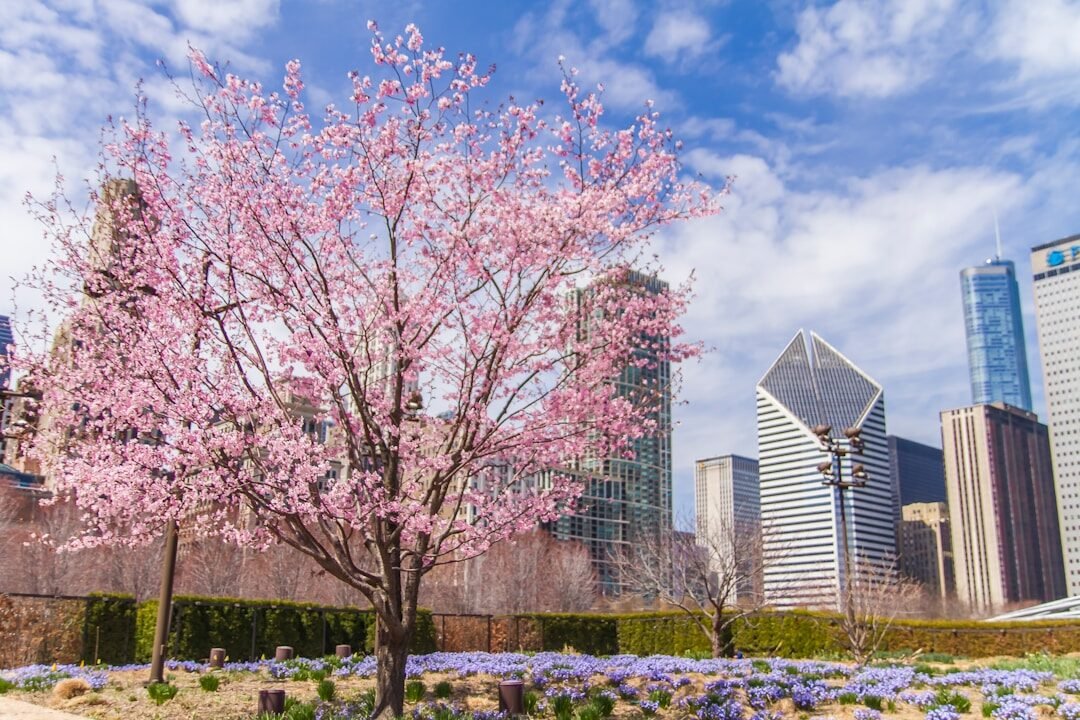
Lurie Garden is not simply a collection of pretty flowers. Its layout tells the story of Chicago’s transformation from marshland into a modern city.
The garden is divided into a darker section representing the area’s earlier landscape and a brighter section suggesting its future. A diagonal boardwalk marks the former Lake Michigan shoreline, while a tall hedge refers to Chicago’s nickname as the City of Big Shoulders.
The plants change throughout the year. Spring brings bulbs and early flowers, summer produces colorful perennials, and winter reveals grasses, seed heads, and the structure of the garden’s design.
Walk the curves of the BP Bridge
BP Bridge is one of Millennium Park’s most interesting pieces of architecture, yet many visitors use it only as a quick path to Maggie Daley Park.
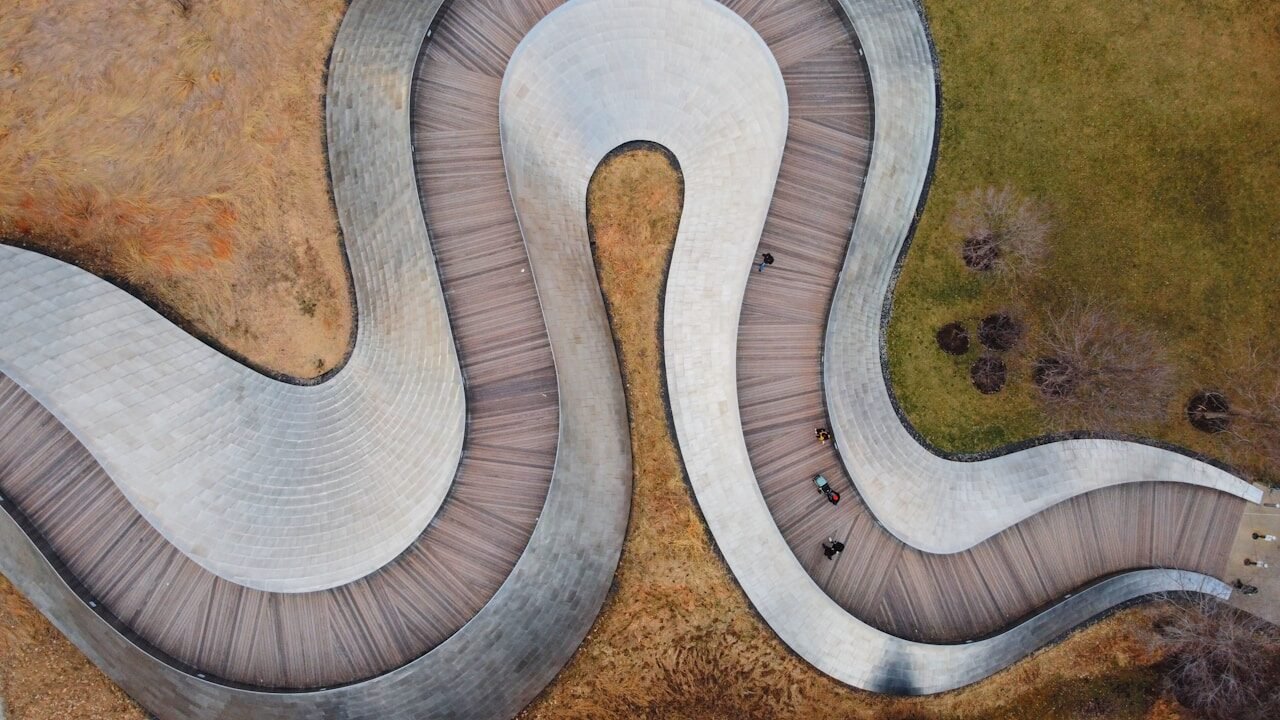
Designed by architect Frank Gehry, the 935-foot pedestrian bridge follows a long, curving route above Columbus Drive. Stainless-steel panels give its sides a sculptural appearance, while the shape helps reduce traffic noise reaching the nearby performance area.
Walk slowly and look back toward the skyline as the view changes around each bend. The bridge may close during winter because its wooden surface can become unsafe when covered with ice.
Cross the Nichols Bridgeway
Another elevated path connects Millennium Park directly with the Modern Wing of the Art Institute of Chicago. The Nichols Bridgeway begins near the southern end of the park and crosses above Monroe Street.
Architect Renzo Piano designed the bridge, which was inspired by the shape of a boat’s hull. Its narrow path provides an unusual raised view of the park, surrounding buildings, and busy streets below.
Visitors entering the Art Institute need museum admission, but walking toward the bridge and seeing how it connects the park with the museum is worthwhile for anyone interested in urban design. Access can depend on museum hours and temporary closures.
Search for art in the Boeing Galleries
The Boeing Galleries are two outdoor exhibition areas that many visitors pass without realizing they are formal art spaces. They sit on raised terraces in the northern and southern sections of Millennium Park.
The galleries were created to display large sculptures and temporary visual art installations that might not fit inside a traditional museum. Past exhibitions have included oversized ceramic figures, abstract sculptures, and photography displays.
There may not always be an exhibition on display, so check the current park programming before visiting. When art is present, the open setting lets visitors view each piece from multiple angles against the changing skyline.

Follow the Chase Promenade
Chase Promenade is a broad, tree-lined walkway running through the center of Millennium Park. On an ordinary day, it provides space for walking, resting, and watching people move between the park’s major attractions.
During special events, however, the promenade can transform into an outdoor festival area. It has been used for exhibitions, cultural celebrations, family programs, temporary structures, and private gatherings.
Rather than walking straight through, explore the smaller paths and planted sections along its edges. Check the city’s event calendar because the experience can be completely different depending on the day and season of your visit.
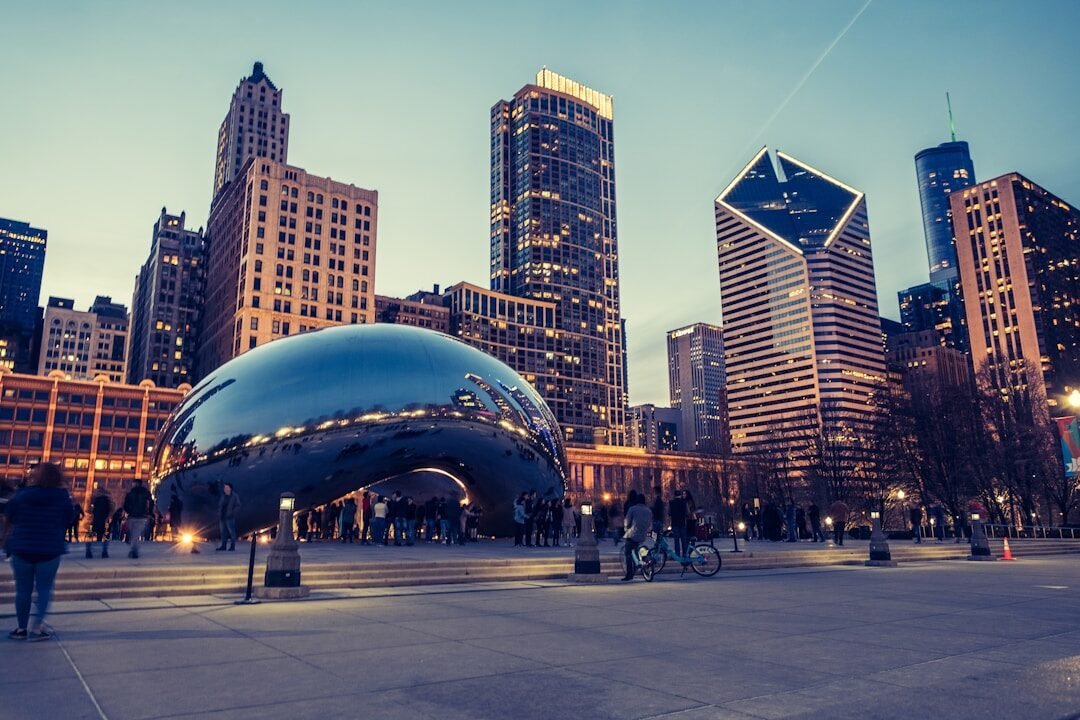
Attend a show at the Harris Theater
Much of the Harris Theater is hidden below ground along the northern edge of Millennium Park. The unusual design helped the venue comply with restrictions intended to preserve Grant Park as an open public space.
The theater presents dance, classical music, opera, family performances, and programs by local and visiting companies. Its schedule provides an indoor alternative when Chicago weather becomes rainy, extremely hot, or bitterly cold.
Even visitors without tickets may notice the dramatic glass entrance descending below Randolph Street. Check the performance age recommendations before booking, as some productions are designed for adults, while others are suitable for families.
Find the park’s hidden solar buildings
The four Exelon Pavilions may appear to be simple entrances and utility buildings, but they are part of Millennium Park’s environmental design.
The structures use photovoltaic technology to generate solar power. Several provide entrances to the underground parking facilities, while the northwest pavilion has served as the park’s welcome center.
Look for the black glass surfaces of the northern buildings and compare them with the lighter glass and limestone pavilions beside Lurie Garden. Together, they show how practical structures can become part of a park’s architectural identity instead of being hidden from public view.
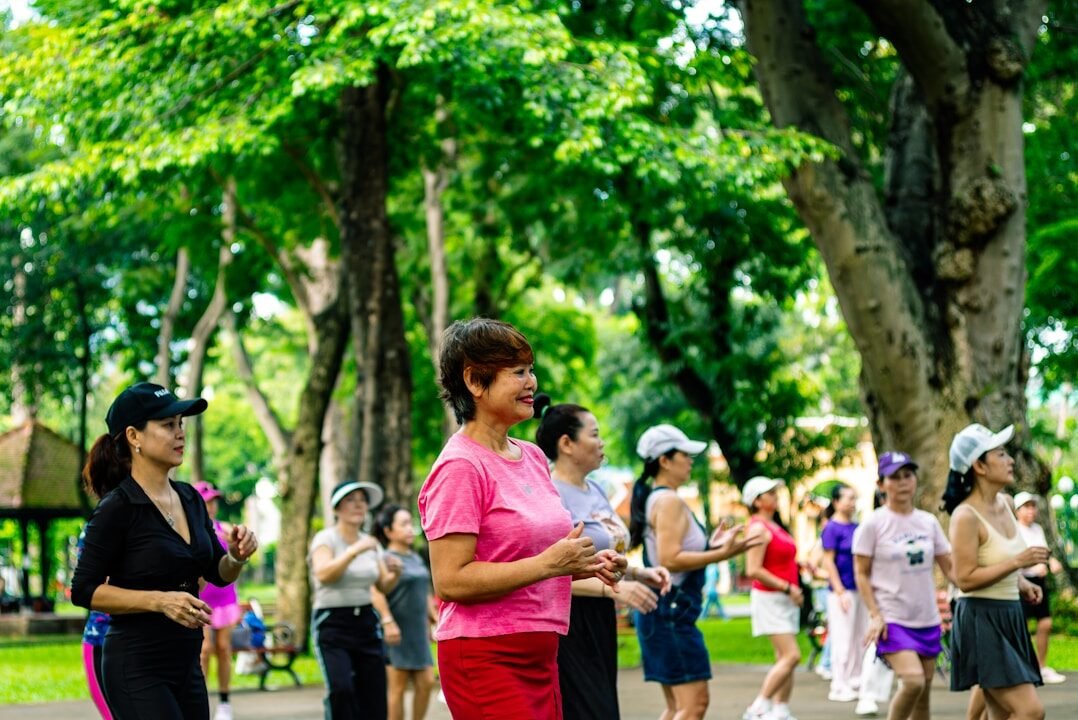
Join an outdoor fitness class
During the warmer months, Millennium Park has hosted free group exercise sessions on selected mornings. Past programs have included yoga, Pilates, cardio workouts, and Zumba, sometimes accompanied by live DJs.
Exercising beneath downtown skyscrapers feels very different from visiting a regular gym. Participants usually bring their own mat, water, sunscreen, and comfortable clothing.
Programming changes each year, so confirm the current dates and starting times before arriving. Classes may be canceled or rescheduled due to storms, extreme heat, or other park events. Arrive early enough to find a comfortable space without blocking walkways.
Watch a movie beneath the skyline
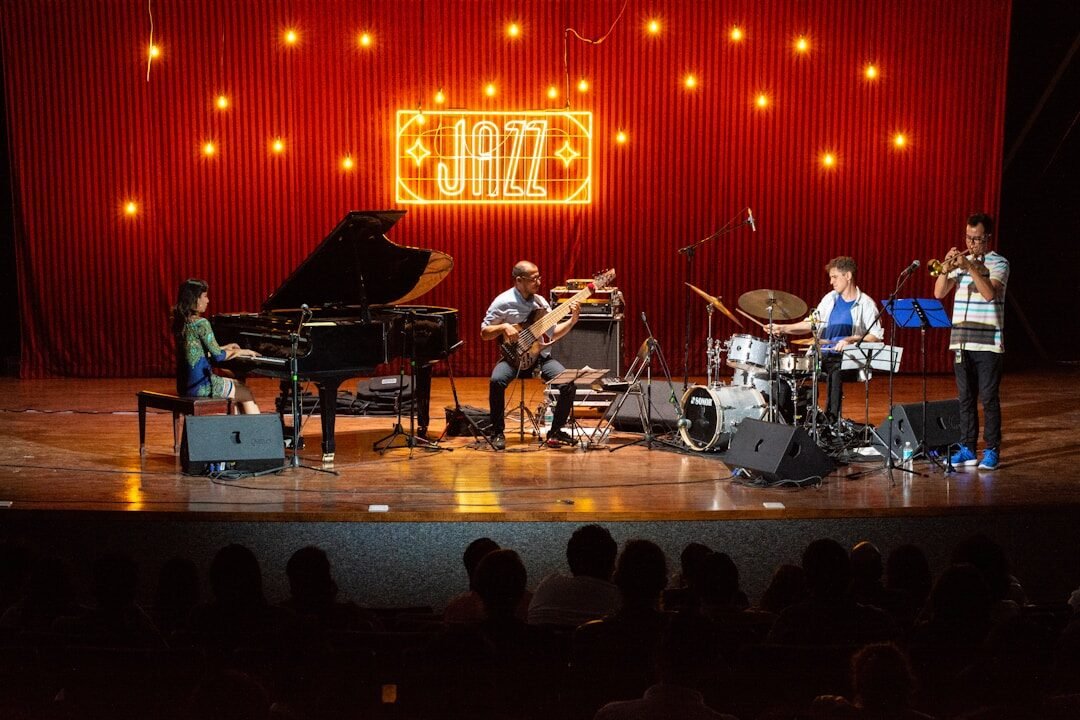
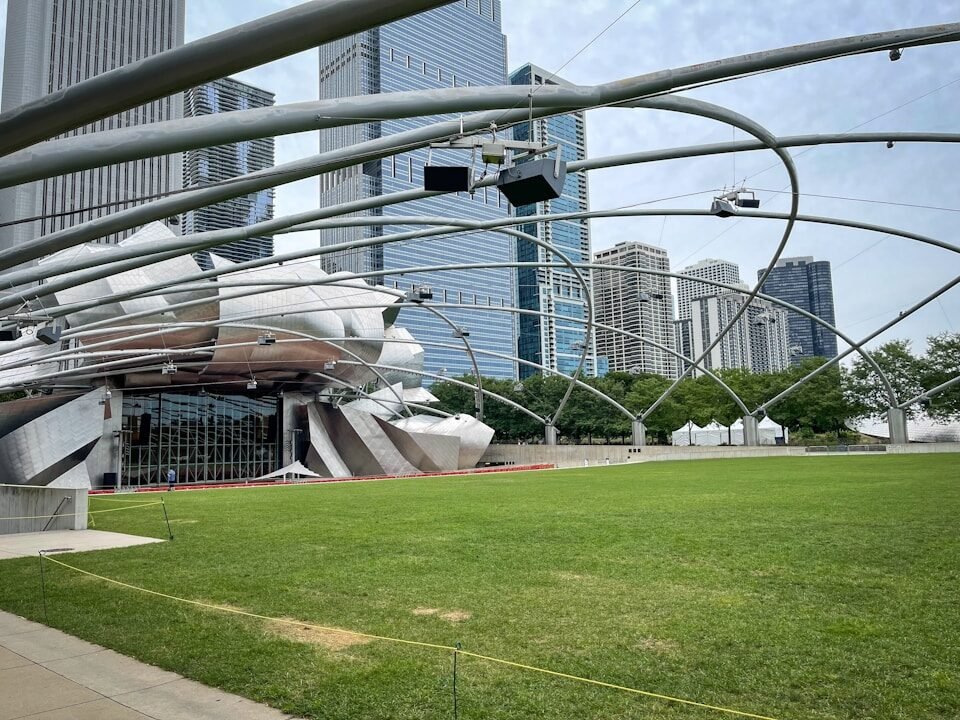
The Jay Pritzker Pavilion is known for live music, but its lawn has also hosted free outdoor film screenings. Watching a movie while skyscrapers rise around the screen creates an experience that cannot be recreated inside a regular theater.
Visitors typically bring a blanket or a low chair and purchase food nearby or pack a picnic. Space can fill quickly when a popular family film or classic movie is shown.
The film lineup and screening nights change by season. Check the current Millennium Park calendar and weather forecast before leaving, since outdoor movies may be postponed or canceled during storms.
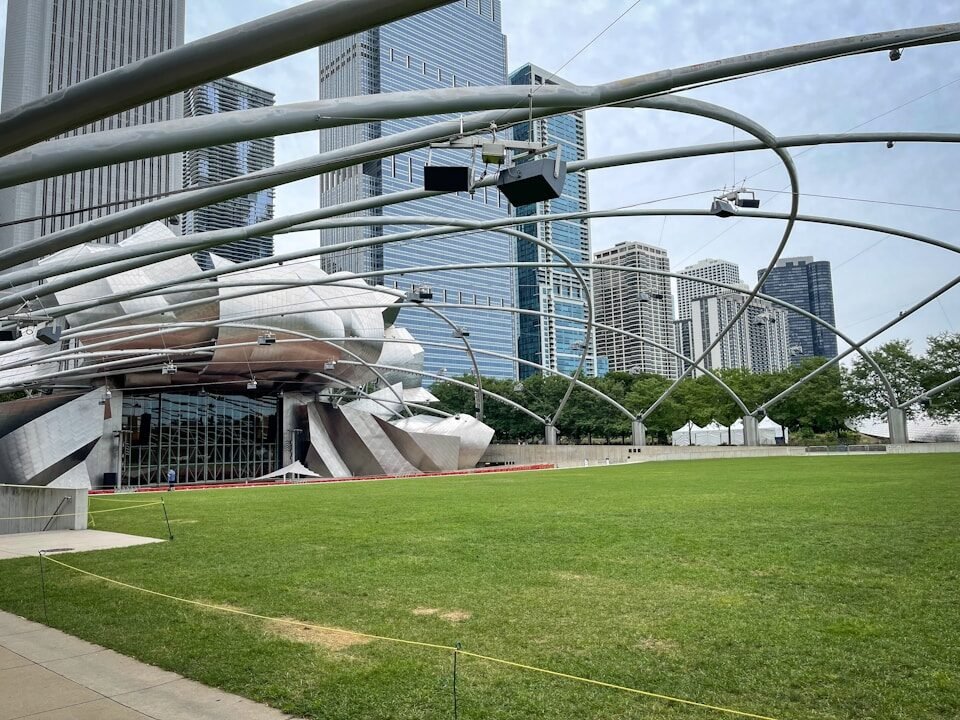
Plan a picnic on the Great Lawn
You do not need a concert or special event to enjoy the Great Lawn. On days when the space is publicly accessible, it can provide a comfortable place to pause during a busy downtown sightseeing schedule.
Pick up food from a nearby café or market, spread out a blanket, and look up at the steel sound trellis stretching above the grass. The overhead structure distributes sound during performances, but it also creates one of the park’s most unusual architectural views.
Access may be restricted during rehearsals, construction, private rentals, or major events. Follow posted instructions and avoid bringing items prohibited under park rules.
Discover the city built beneath the park
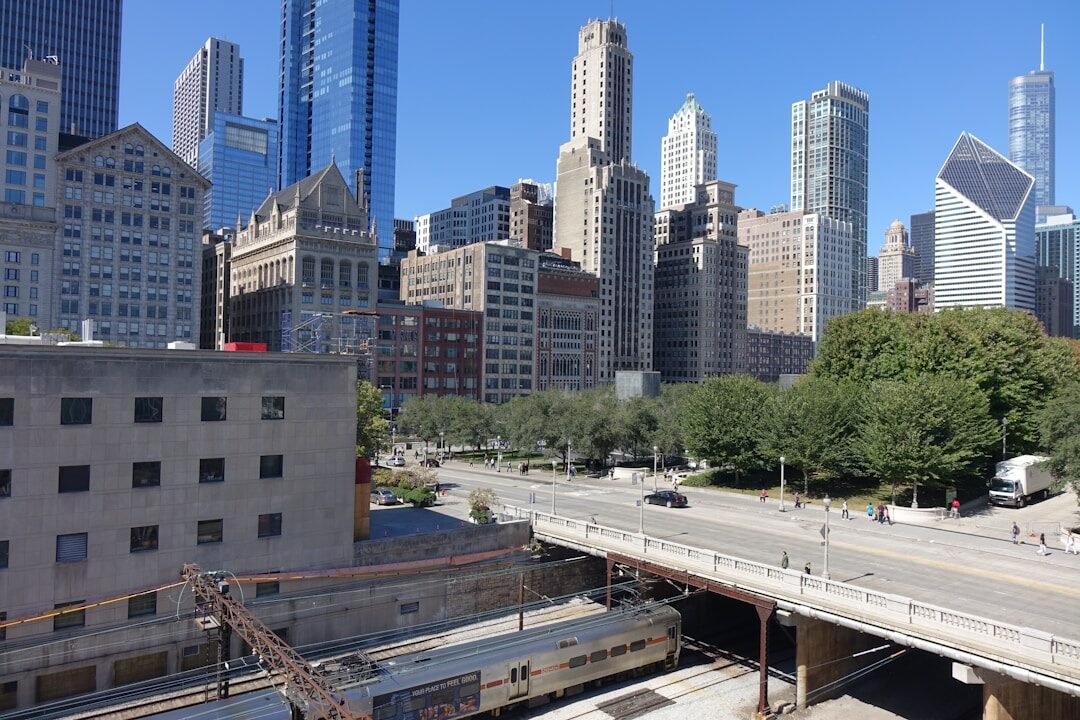
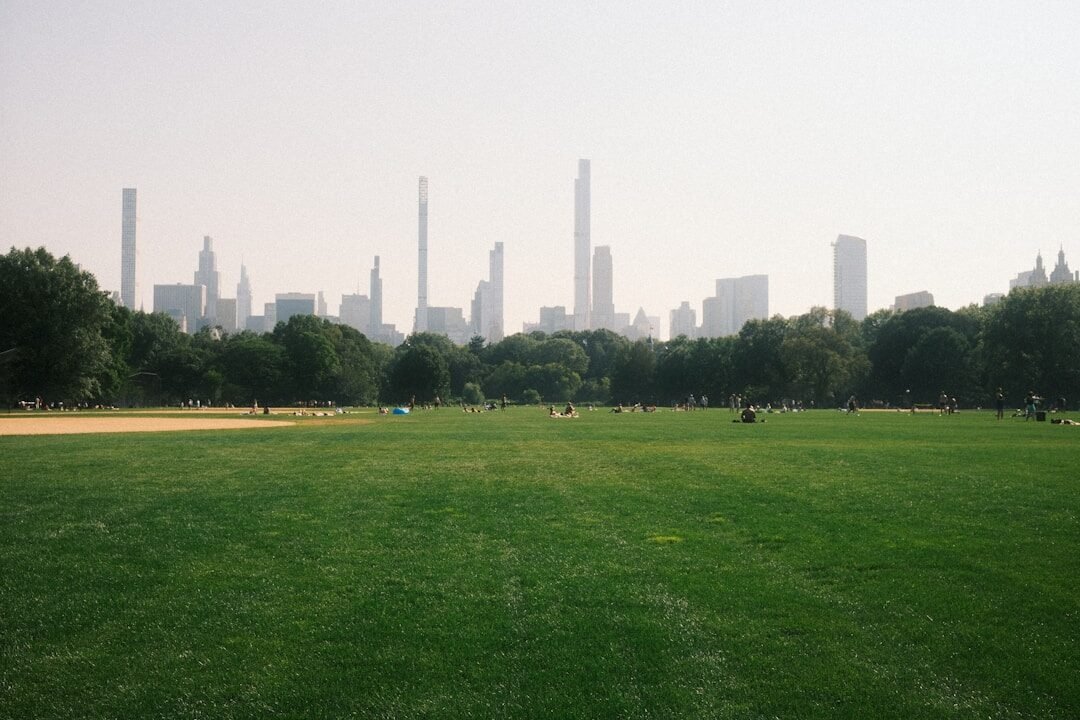
One of the most surprising things about Millennium Park is that much of it functions as an enormous rooftop. The landscaped area was developed above railroad tracks, transportation facilities, and underground parking rather than directly on natural ground.
Turn this fact into a self-guided engineering walk. Look for garage entrances inside the Exelon Pavilions, trains visible near the park’s southern edge, raised planting beds in Lurie Garden, and bridges connecting different levels.
Understanding what lies beneath the lawns makes the entire park more impressive. It shows how Chicago transformed working transportation land into a public space without completely removing the infrastructure below.
Planning your Millennium Park visit
Millennium Park is in downtown Chicago and can be reached by several CTA train and bus routes. Millennium Station also sits beneath the area, making the park convenient for some Metra and South Shore Line passengers.
Allow at least two hours for these lesser-known features. Architecture and garden fans may want considerably longer, especially when combining the park with a Harris Theater performance or the Art Institute.
Some activities are seasonal. BP Bridge may close in winter, outdoor workouts and movies generally occur during warmer weather, and temporary art installations change throughout the year. Check official schedules shortly before traveling.
Wrapping up
Millennium Park offers much more than its most photographed landmarks. Visitors can decode a recreated monument, follow the story hidden inside a garden, cross two remarkable pedestrian bridges, discover temporary sculpture, and examine buildings that generate solar power.
Taking time to explore these quieter features reveals why the park is considered more than an ordinary green space. It is a carefully layered combination of art, architecture, engineering, nature, and public culture in the center of Chicago.