
Rising diesel prices arrived at a difficult moment for American farmers already managing drought, weak profit margins, trade disruptions, and higher production expenses.
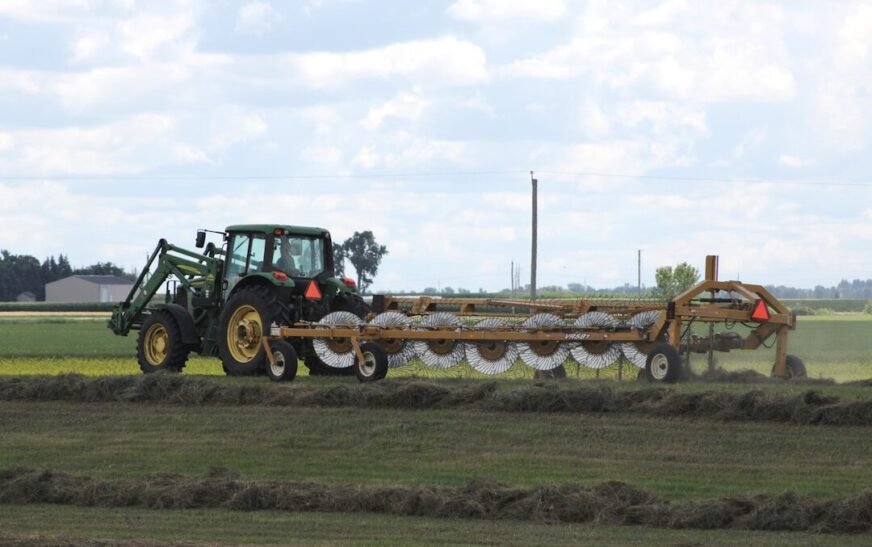
Fuel is essential during the spring planting season because farms depend on diesel-powered tractors, combines, trucks, irrigation equipment, and other machinery. Unlike households that can reduce optional driving, farmers generally cannot postpone essential fieldwork without risking smaller harvests.
By early May 2026, the national average price of on-highway diesel had climbed to $5.64 per gallon. The increase placed additional pressure on farms that had little room in their budgets to absorb another major expense.
Diesel prices climbed during the planting season
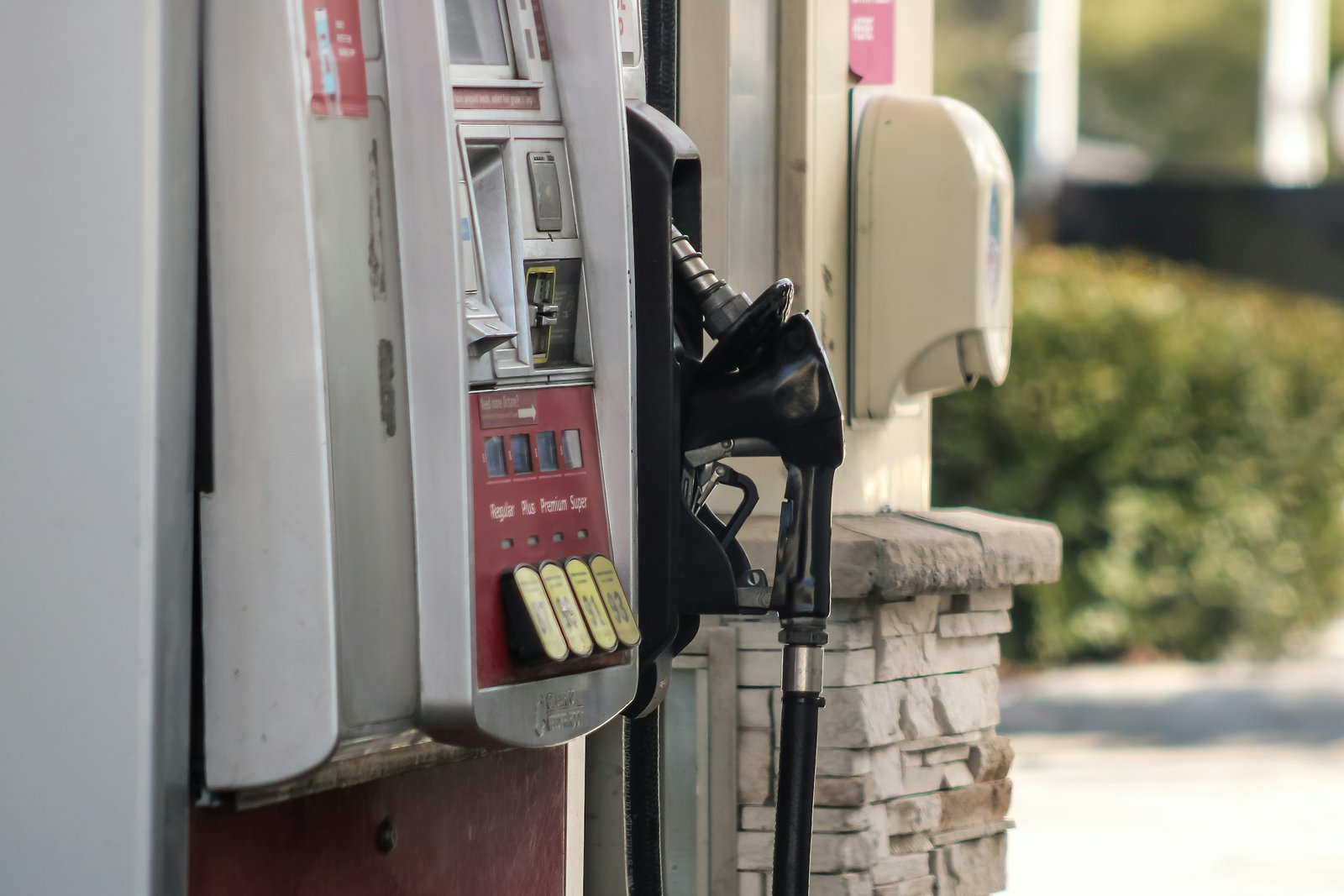
U.S. on-highway diesel averaged $5.64 per gallon during the week of May 4, according to the U.S. Energy Information Administration. Prices had remained above $5.35 throughout April.
The timing was particularly difficult because spring is one of the most fuel-intensive periods of the agricultural calendar. Farmers must prepare fields, plant crops, transport supplies, and operate equipment within relatively short weather-dependent windows.
The conflict involving the United States and Iran had disrupted global energy markets and contributed to higher oil and diesel prices. It had also created concerns about fertilizer supplies moving through the Middle East.
Farmers cannot easily reduce fuel use
Most farmers had limited ability to respond by simply purchasing less diesel. Field preparation and planting still had to be completed, even when fuel prices rose sharply.
Blake Gendebien, who operated a 1,200-acre dairy farm in northern New York, said he used about 20,000 gallons of fuel to plant and harvest his crops. He reported paying about $2.65 per gallon for off-road diesel in April 2025, compared with nearly $5 per gallon in 2026.
At 20,000 gallons, an increase of more than $2 per gallon could add tens of thousands of dollars to a farm’s annual fuel bill. That expense may be difficult to recover when farmers have limited control over the market prices paid for milk, grain, meat, or other products.
Off-road diesel offers limited relief
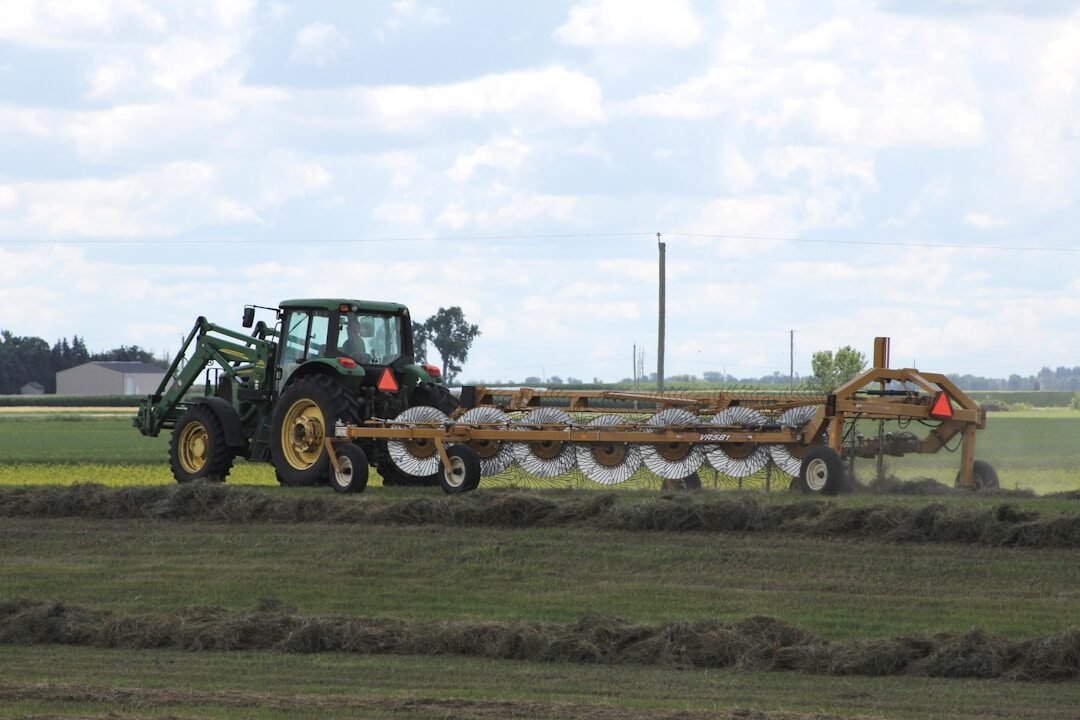
Many farms purchase off-road diesel for tractors and machinery that do not operate on public roads. This fuel is generally exempt from federal highway taxes and may also be exempt from state taxes.
Although off-road diesel is cheaper than fuel purchased for highway vehicles, it is still affected by changes in wholesale oil and refining prices. A tax exemption, therefore, reduces the total bill but does not protect farmers from a major market increase.
Farmers also need on-road diesel for pickup trucks, delivery vehicles, and larger trucks used to transport livestock, crops, equipment, and supplies. Operations with both field machinery and transportation fleets can face higher costs across nearly every part of the business.
Drought is adding another challenge
In Colorado, fourth-generation farmer Sam Frost reported that off-road diesel in his area had risen from $3.08 per gallon in early March to $4.43 in April.
Frost operated tractors and trucks used for hay, livestock, vegetable, and meat production. He delayed purchasing his usual amount of fuel because drought conditions had prevented him from starting field preparation.
Drought can reduce crop yields while forcing farmers to spend more on irrigation, animal feed, and water management. When poor growing conditions coincide with higher fuel prices, farms may face higher costs without producing enough additional crops to cover them.
Small farms face narrow margins
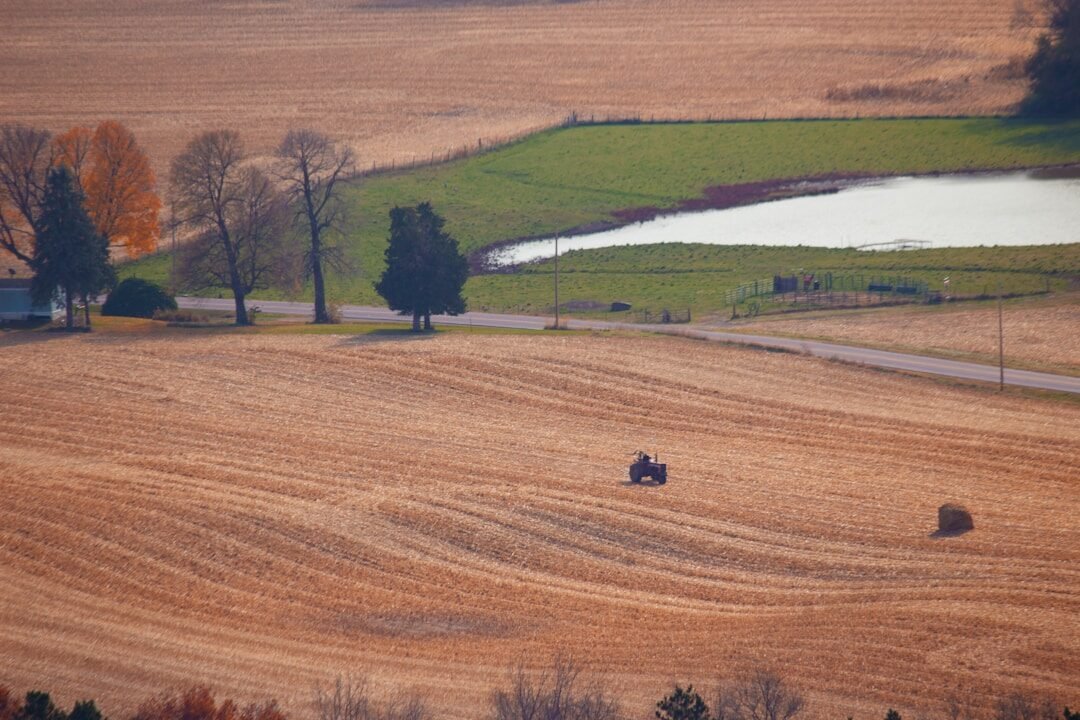
Small family farms represented 86% of all U.S. farms in 2023, according to the U.S. Department of Agriculture. The USDA defines a small family farm as one with annual gross cash farm income of less than $350,000.
Gross income is not the same as profit. Farmers must pay for equipment, fuel, seed, fertilizer, feed, land, repairs, labor, insurance, utilities, and loan payments before determining how much money remains.
A farm may therefore generate hundreds of thousands of dollars in sales while operating on a relatively small profit margin. A sudden increase in fuel costs can wipe out much of that remaining income or force an owner to borrow to continue operating.
Some farmers are changing their plans
Farmers were responding by reducing other expenses, delaying purchases, and changing how they prepared or planted their fields.
North Carolina cotton farmer Julius Tillery said he was becoming more careful about planting dates to avoid wasting diesel on a crop that could be damaged by unfavorable weather. Higher fuel costs left him with less room to take the risk of planting early.
Other producers could reduce the number of times they drive across a field, delay equipment replacements, or combine jobs to save fuel. Some may eventually pass part of the increase to customers, although farmers selling into commodity markets often have little power to set prices.
Black-operated farms may be more vulnerable
The 2022 Census of Agriculture counted approximately 32,700 Black-operated farms and ranches covering 5.3 million acres. Black-operated farms represented only a small portion of the country’s 1.9 million agricultural operations.
Many Black farmers have historically faced greater difficulty accessing credit, land, and government support. Those challenges can make it harder to recover from sudden increases in fuel, fertilizer, or equipment expenses.
Virginia farmer John Boyd said carefully monitoring fuel use had become essential as diesel approached $6 per gallon in his area. Filling a 100-gallon tractor tank at that price would cost about $600 and could provide only a day or two of planting work.
Higher costs could reach consumers
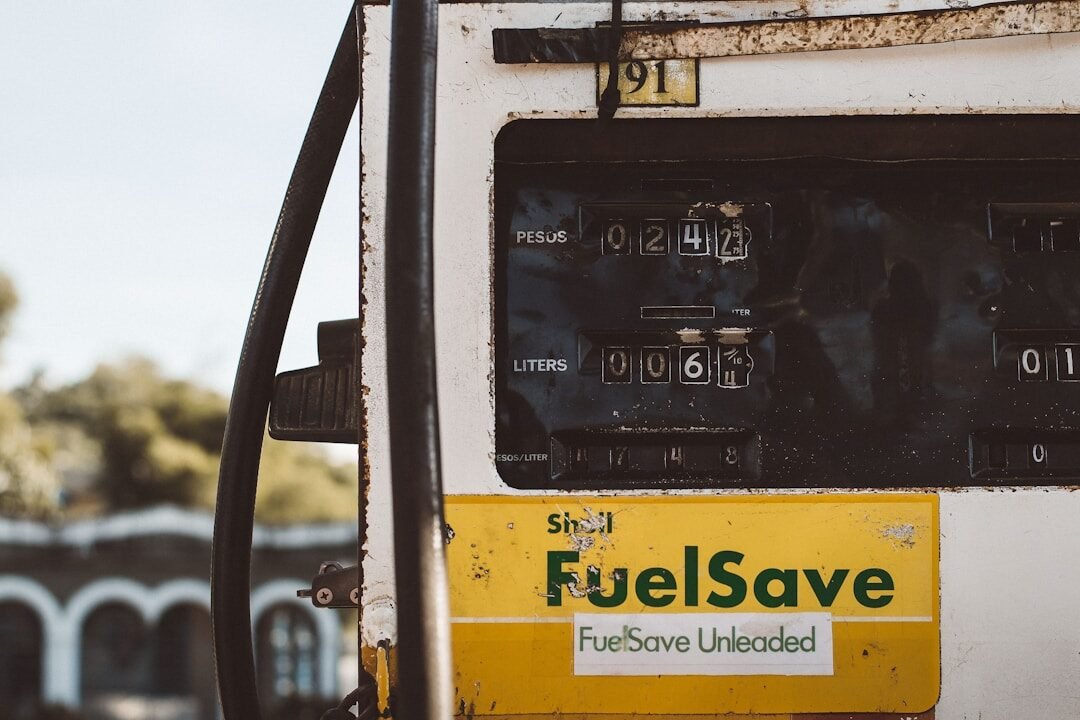
Diesel expenses affect nearly every stage of the food supply chain. Fuel is needed to grow crops, raise livestock, transport agricultural products, process food, and deliver it to stores.
Farmers, processors, or retailers may absorb a temporary increase. However, prolonged high prices could eventually contribute to higher prices for meat, dairy products, produce, grain, and other groceries.
Farmers said trade improvements, better access to federal programs, and lower energy prices could provide relief. Until then, many had little choice but to purchase the fuel required to keep planting and protect future harvests.
TL;DR
- U.S. on-highway diesel averaged $5.64 per gallon during the week of May 4, 2026.
- Diesel prices rose during the spring planting season, when farm fuel demand was particularly high.
- Farmers generally could not reduce essential tractor, equipment, and transportation use.
- Drought conditions created additional financial pressure in several agricultural regions.
- Small family farms accounted for 86% of U.S. farms and often operated with limited financial flexibility.
- Some farmers changed planting schedules or cut other expenses to conserve fuel.
- Continued high diesel costs could eventually contribute to higher food and transportation prices.