
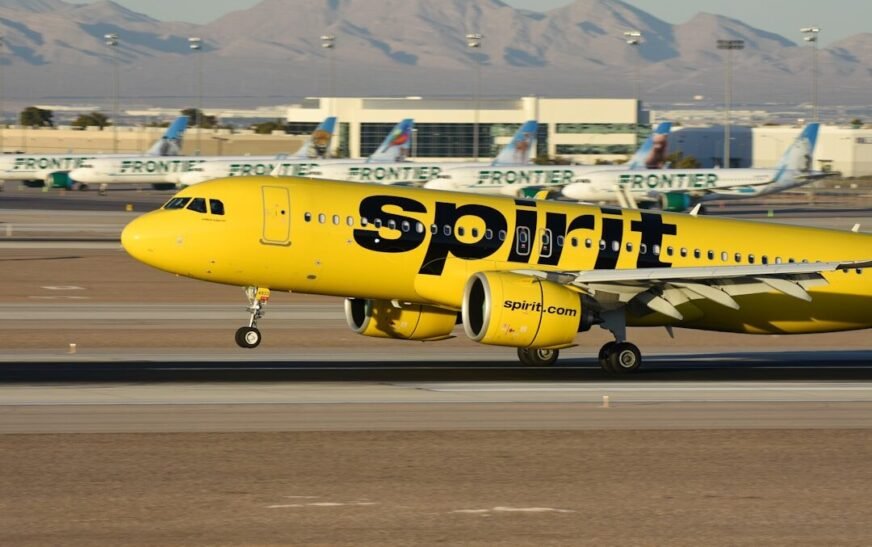
Spirit Airlines’ sudden shutdown left thousands of workers without jobs, canceled every remaining flight, and forced passengers to find new ways home with little warning.
The Florida-based airline ended operations on May 2, 2026, after 34 years in business. Spirit said it had begun an orderly wind-down after failing to overcome bankruptcy, debt, rising operating costs, and a sharp increase in jet fuel prices.
The collapse also revived a political debate over the federal government’s successful effort to block JetBlue’s proposed $3.8 billion purchase of Spirit in 2024.
Spirit canceled all remaining flights
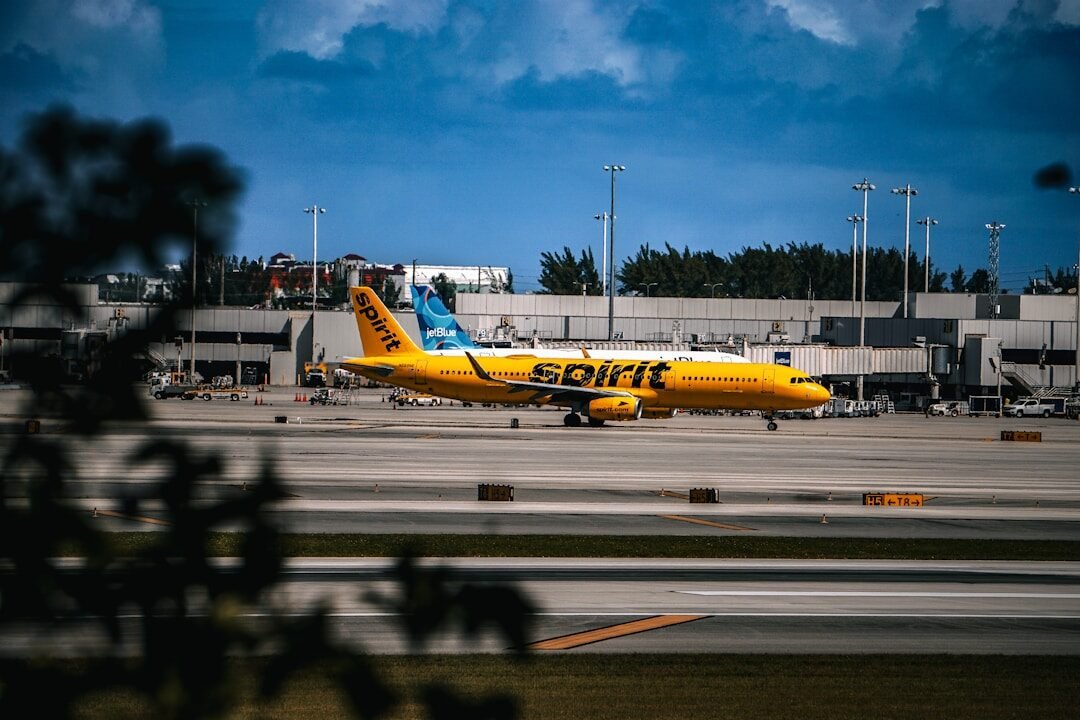
Spirit announced it had immediately stopped operating and canceled all scheduled flights. Its customer service operation was also closed, leaving passengers to rely on online notices, banks, travel agents, and other airlines for assistance.
Some travelers arrived at airports without knowing their flights had been canceled. Others said they had received little or no direct communication before the shutdown.
Spirit had more than 4,000 flights scheduled through May 15 before it ceased operations. The airline operated routes across the United States, Latin America, and the Caribbean.
Thousands of employees lost their jobs
Spirit employed approximately 17,000 people, including pilots, flight attendants, mechanics, airport workers, and corporate staff.
The airline initially said it was working to return more than 1,300 crew members to their home bases. By the following day, it reported that roughly 1,500 crew members had been transported home or were in the final stages of returning.
Other airlines offered some former Spirit employees a faster application process as they searched for new jobs. JetBlue later began hiring former Spirit workers as it expanded its operations at Fort Lauderdale-Hollywood International Airport.
Passengers were promised refunds
Customers who purchased tickets directly from Spirit using credit or debit cards were expected to receive automatic refunds.
Travelers who booked through a travel agency or another third-party seller had to contact that company instead. Passengers who paid with travel credits, vouchers, or loyalty points faced greater uncertainty because those claims could become part of the bankruptcy process.
Spirit said it would not arrange replacement flights or reimburse additional expenses such as hotels, meals, or ground transportation. Travelers with credit card protections or travel insurance could have separate options.
Other airlines offered rescue fares
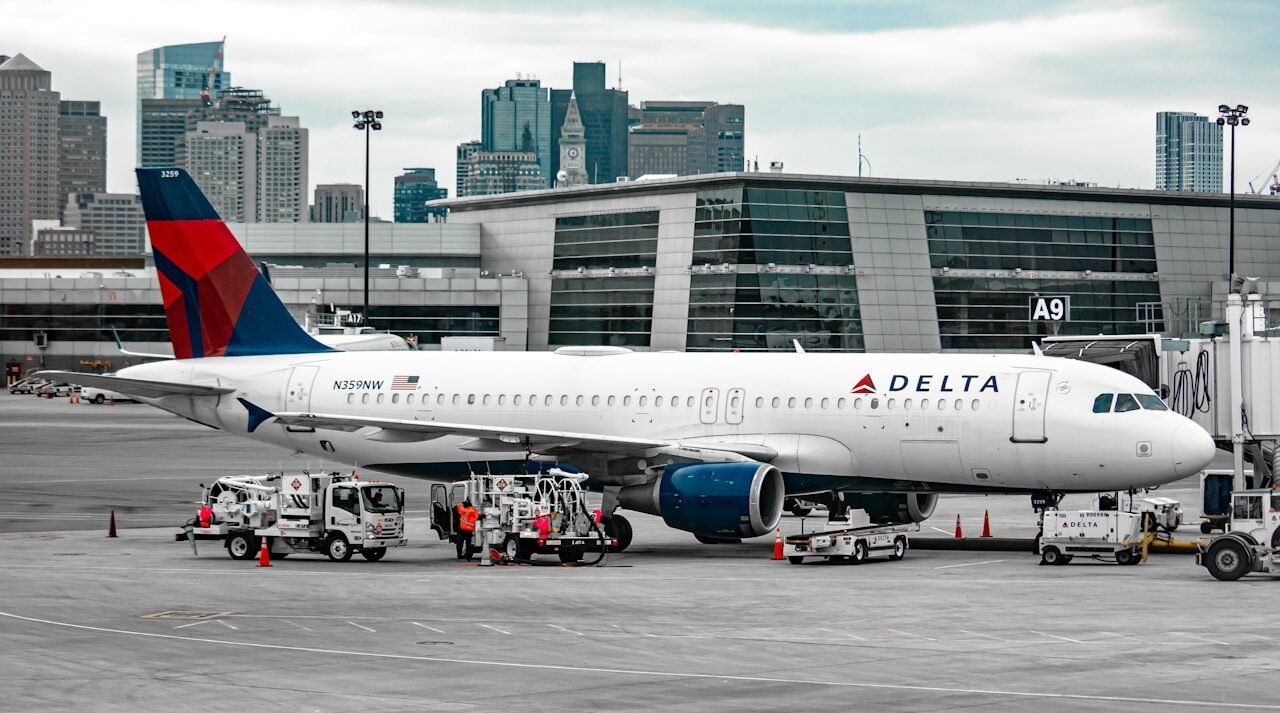
United, Delta, JetBlue, Southwest, and other carriers offered limited assistance to passengers holding proof of a canceled Spirit booking.
Transportation Secretary Sean Duffy said several airlines were offering one-way tickets capped at about $200 for a limited period. Availability depended on routes, open seats, and each airline’s conditions.
Those fares still created unexpected expenses for customers who had already paid Spirit. Budget travelers and families faced particular difficulty because last-minute tickets on busy routes could cost considerably more than their original bookings.
Bankruptcy and fuel costs led to the collapse
Spirit had struggled financially since the COVID-19 pandemic. By the time of its first Chapter 11 filing in November 2024, the airline had accumulated more than $2.5 billion in losses since 2020.
It emerged from that restructuring in March 2025 but filed for Chapter 11 protection again on August 29. Court filings listed approximately $8.6 billion in assets and $8.1 billion in liabilities.
The airline faced debt, weak demand, strong competition, and higher operating expenses. Rising jet fuel prices linked to the Iran conflict added pressure on a company that already lacked enough cash to keep flying.
A proposed bailout failed
The Trump administration considered a government-backed rescue intended to keep Spirit operating, but no agreement was completed.
President Donald Trump said the government had presented a final proposal, reportedly involving about $500 million. Spirit’s lenders and other parties did not reach terms before the company ran out of viable options.
Duffy said the federal government did not have unlimited money available to rescue individual businesses. The failure of the talks left Spirit’s board to approve the shutdown and bankruptcy wind-down.
The JetBlue merger debate returned
In 2022, JetBlue agreed to purchase Spirit for $3.8 billion. The Justice Department sued to block the deal, arguing that removing Spirit would reduce competition and lead to higher fares for budget-conscious travelers.
A federal judge blocked the acquisition in January 2024, finding that it violated antitrust law. JetBlue and Spirit abandoned the transaction in March of that year.
After Spirit’s collapse, critics argued that allowing the merger might have preserved jobs and kept the airline’s aircraft and routes operating. Trump administration officials blamed the Biden administration and former Transportation Secretary Pete Buttigieg for opposing the deal.
Supporters of the court ruling noted that JetBlue planned to remove Spirit’s ultra-low-cost model rather than preserve it. They argued that approving the acquisition could also have reduced low-fare competition, even if Spirit remained financially unstable.
Spirit’s absence could affect fares
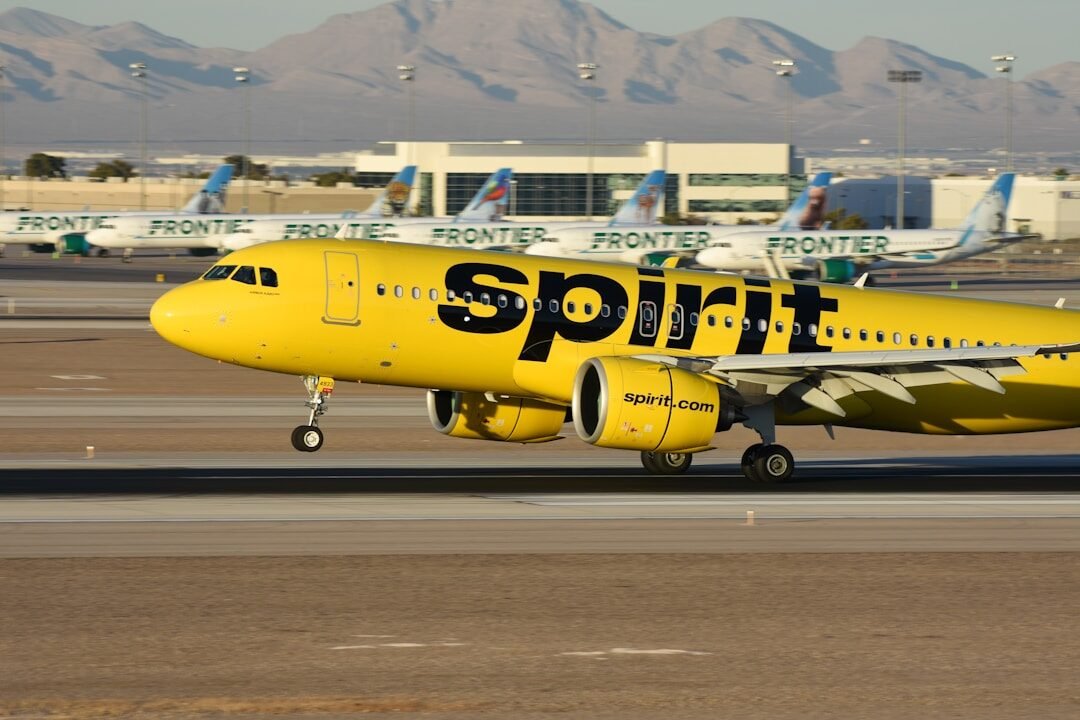
Spirit placed pressure on larger airlines by offering low base fares, particularly in Florida, Las Vegas, and other leisure markets.
Its disappearance could allow rival carriers to raise prices on routes where Spirit had provided meaningful competition. The effect would likely vary depending on how quickly other airlines added flights and purchased Spirit’s airport gates, aircraft, or other assets.
JetBlue moved to expand at Fort Lauderdale, where Spirit previously accounted for a significant share of passenger traffic. Other carriers were also expected to compete for routes and customers once served by the airline.
For workers and travelers, the immediate effects were already clear. Spirit’s failure eliminated thousands of jobs and removed one of the country’s best-known options for travelers willing to trade comfort and flexibility for a lower fare.
TL;DR
- Spirit Airlines ended all operations on May 2, 2026, after 34 years in business.
- Every remaining flight was canceled, affecting approximately 17,000 jobs.
- Customers who booked directly with credit or debit cards were promised refunds.
- Several airlines offered temporary rescue fares to stranded Spirit passengers.
- Spirit had filed for Chapter 11 bankruptcy twice since November 2024.
- A proposed federal rescue of approximately $500 million did not produce an agreement.
- The shutdown renewed debate over the 2024 court ruling that blocked JetBlue’s $3.8 billion purchase of Spirit.