
California peach farmers are preparing to remove hundreds of thousands of trees after the bankruptcy of Del Monte Foods eliminated a major buyer for their fruit.
The company permanently closed its Modesto and Hughson processing facilities in April 2026, leaving growers with long-term contracts but no nearby cannery able to accept much of their harvest.
Federal officials responded by making up to $9 million available to help farmers remove orchards and transition to other crops. The aid may reduce immediate losses, but it also marks a major contraction for California’s clingstone peach industry.
Del Monte’s closures left peaches stranded
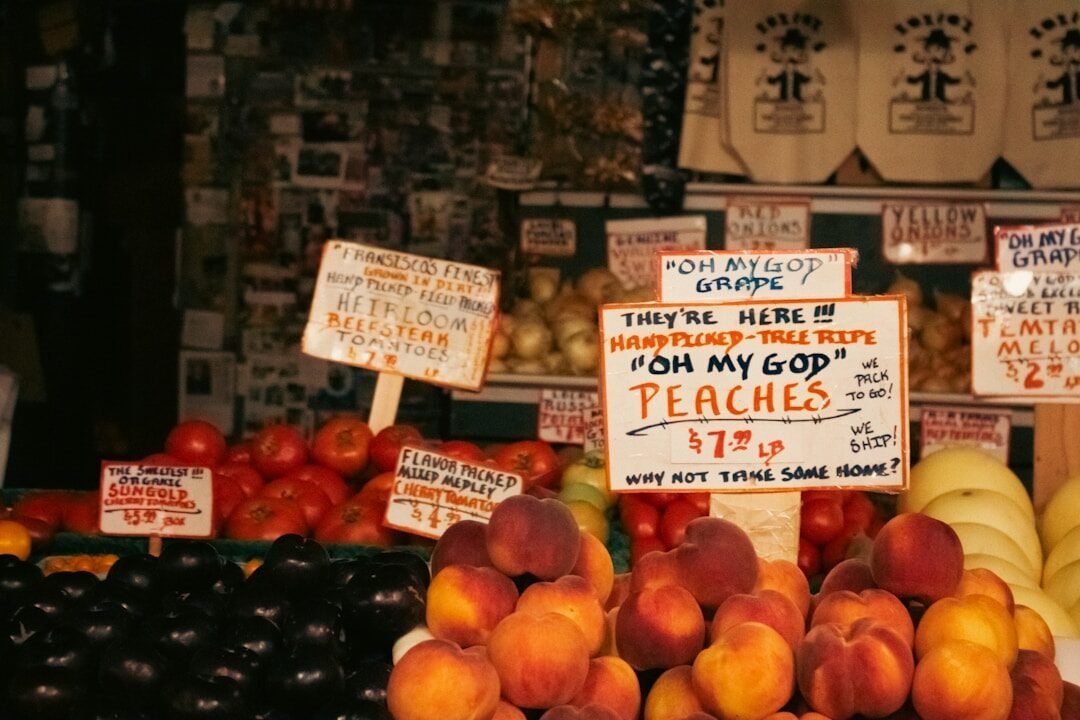
Del Monte Foods filed for Chapter 11 bankruptcy protection in July 2025 and began selling its assets through a court-supervised process.
Although Pacific Coast Producers purchased parts of Del Monte’s canned fruit business, no buyer agreed to continue operating the Modesto cannery. The Modesto and nearby Hughson facilities permanently closed in April 2026.
The closures left many Central California growers without a processor for their clingstone peaches. Unlike peaches commonly sold fresh in grocery stores, clingstone varieties are grown mainly for canning and require specialized processing facilities.
Farmers plan to remove 420,000 trees
The U.S. Department of Agriculture agreed to provide up to $9 million for a program to remove clingstone peach trees.
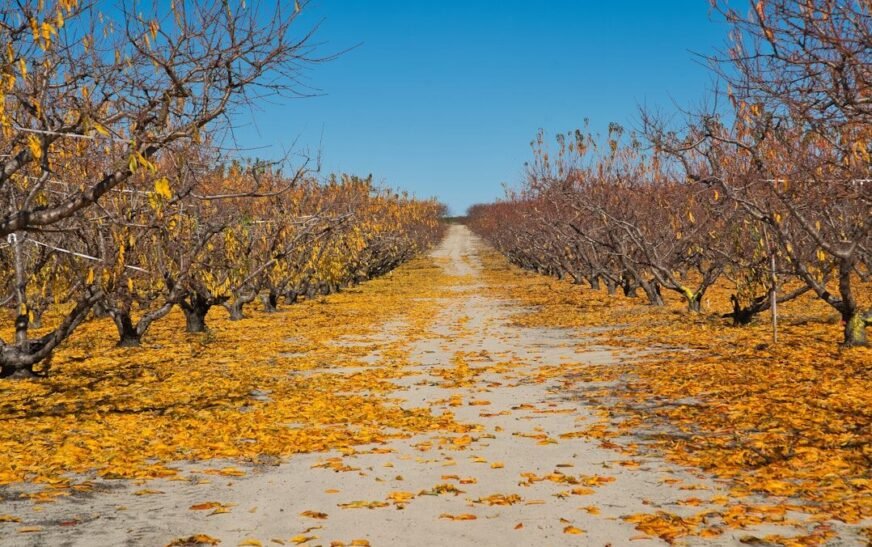
The funding was expected to support the removal of as many as 420,000 trees covering roughly 3,000 acres of orchards. Farmers could then prepare the land for crops with stronger demand or more reliable buyers.
Removing productive trees is a costly decision because orchards require years of investment before reaching full production. Growers must also pay to uproot the trees, clear the land, prepare the soil, and plant a replacement crop.
About 50,000 tons lacked a buyer
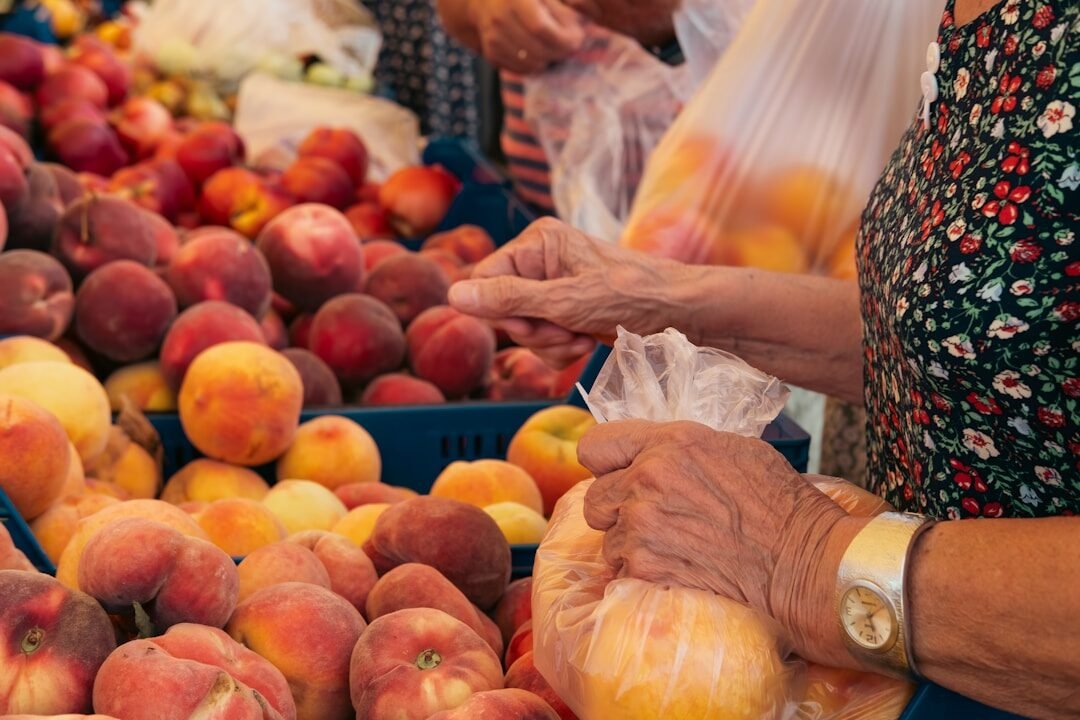
Del Monte’s closure initially left approximately 74,000 to 75,000 tons of peaches without a committed processor.
Pacific Coast Producers later offered one-year contracts for about 24,000 tons. That still left roughly 50,000 tons without a buyer or a practical processing option.
The planned tree removals were intended to eliminate about 50,000 tons of annual production. Without that reduction, growers could have spent money maintaining, harvesting, and transporting fruit that had little chance of being sold.
Long-term contracts disappeared
Some affected farmers had signed contracts lasting up to 20 years with Del Monte. Those agreements encouraged them to invest in orchards designed specifically to supply the company’s canneries.
When the contracts were canceled, many growers still had years of productive life remaining in their trees. Some orchards had been planted only a few years earlier and had not yet generated enough revenue to recover their initial costs.
Industry estimates placed the possible value of lost future revenue at about $550 million. That figure represented expected sales over multiple years rather than the value of a single harvest.
Federal aid could prevent larger losses
Lawmakers said removing the surplus trees before the 2026 harvest could prevent approximately $30 million in additional losses.
Without assistance, growers would have had to decide whether to abandon the fruit, leave it on the trees, or pay for harvest and transportation without having a confirmed purchaser.
The federal money was intended to cover part of the orchard-removal expense and give farmers time to identify replacement crops. Senator Adam Schiff and Representatives Mike Thompson and David Valadao announced the funding after urging Agriculture Secretary Brooke Rollins to intervene.
The lawmakers argued that the sudden loss of a processor was too large for individual family farms to absorb without outside help.
Cannery closures also affected workers
The loss extended beyond orchard owners. Del Monte’s Modesto closure was expected to eliminate about 600 year-round jobs and approximately 1,200 seasonal positions during the harvest period.
Workers in transportation, equipment repair, packaging, warehousing, and other agricultural services could also face reduced demand as peach acreage declined.
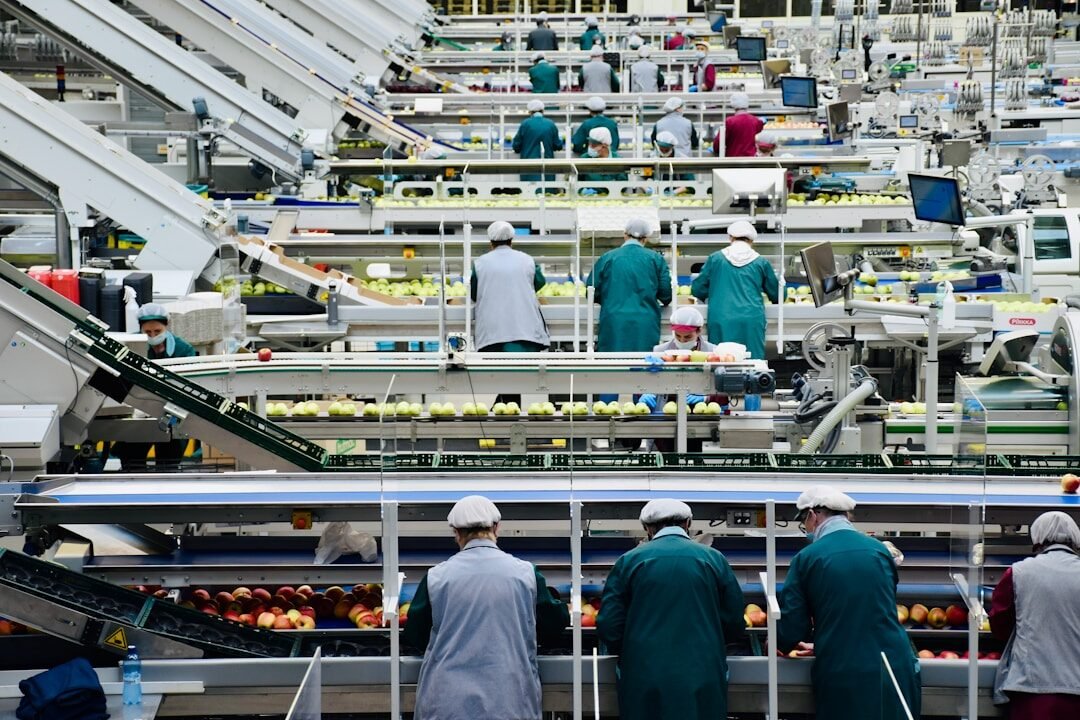
Processing plants are important parts of agricultural regions because they connect farms to grocery stores and food manufacturers. Even when fruit is available, it has little commercial value if there is no facility nearby to prepare and package it before it spoils.
Canned peach demand has been declining
Del Monte’s bankruptcy was linked to debt, rising operating expenses, and changing consumer preferences.
USDA data showed that California clingstone peach production had fallen 43% over roughly a decade. U.S. consumption of canned peaches also declined by about 35% between the 2013-14 and 2021-22 marketing years.
Lower demand had already reduced the number of processors serving California growers. That made the industry more vulnerable, as the closure of a major cannery left farmers with few alternatives.
The latest orchard removals could further shrink domestic canned peach production and increase the industry’s dependence on a small number of remaining processors.
Farmers now face difficult crop choices
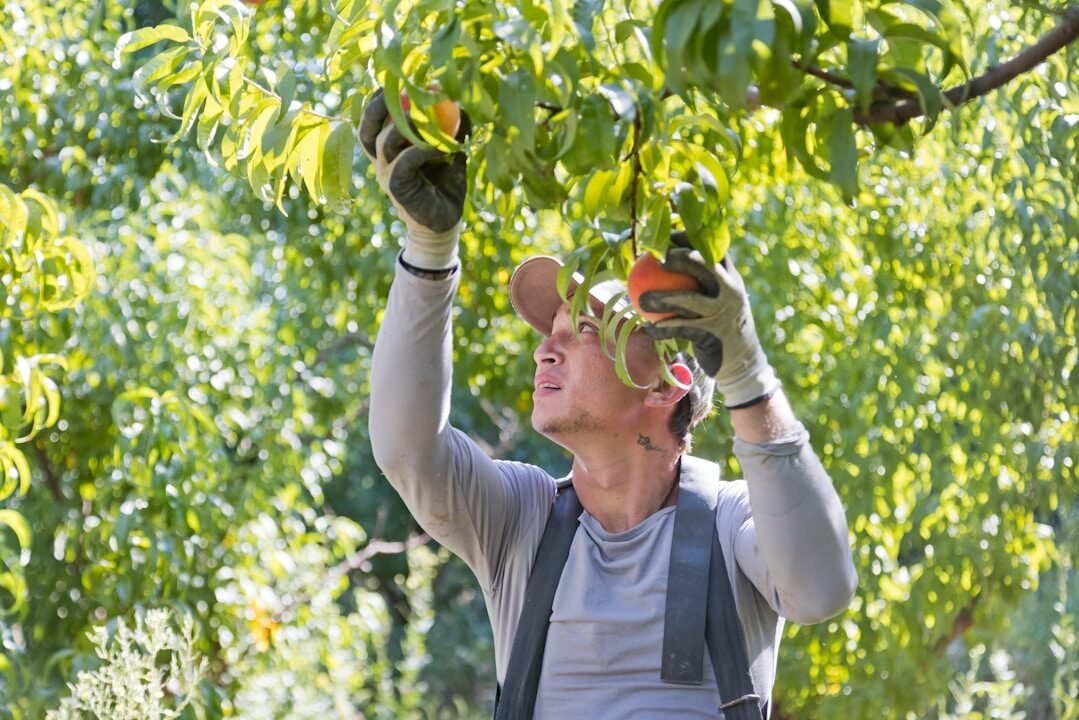
Switching crops is not as simple as replacing one tree with another. Growers must consider climate, soil conditions, water availability, equipment needs, labor costs, and access to buyers.
A replacement orchard can take several years to become productive. Annual crops may provide revenue sooner, but they can require different machinery and may expose farmers to unfamiliar markets.
The federal assistance will help with the immediate transition, but it cannot fully replace lost contracts or guarantee that the next crop will be profitable.
For many Central California families, removing the peach trees represents the end of an agricultural relationship that lasted for generations. It also shows how the failure of one major processor can reshape an entire regional farming industry.
TL;DR
- Del Monte Foods closed its Modesto and Hughson canneries in April 2026 after filing for bankruptcy.
- The closures initially left about 74,000 to 75,000 tons of clingstone peaches without a buyer.
- Another processor accepted about 24,000 tons, leaving roughly 50,000 tons without a market.
- The USDA made up to $9 million available to help farmers remove orchards.
- Growers planned to clear up to 420,000 trees across approximately 3,000 acres.
- Industry estimates placed potential lost future revenue at about $550 million.
- Farmers must now replace long-term peach orchards with crops that have more dependable markets.