


UnitedHealthcare plans to remove prior authorization requirements for 30% of the medical services that still require advance approval, a change intended to help patients receive care more quickly.
The insurer said the reductions would cover selected outpatient surgeries, diagnostic tests, therapies, and chiropractic services. Most of the changes were expected to take effect by the end of 2026.
Prior authorization is designed to confirm that treatment meets an insurance plan’s coverage and medical-necessity rules. However, patients and doctors have long argued that the process can delay care and create unnecessary administrative work.
UnitedHealthcare plans a 30% reduction
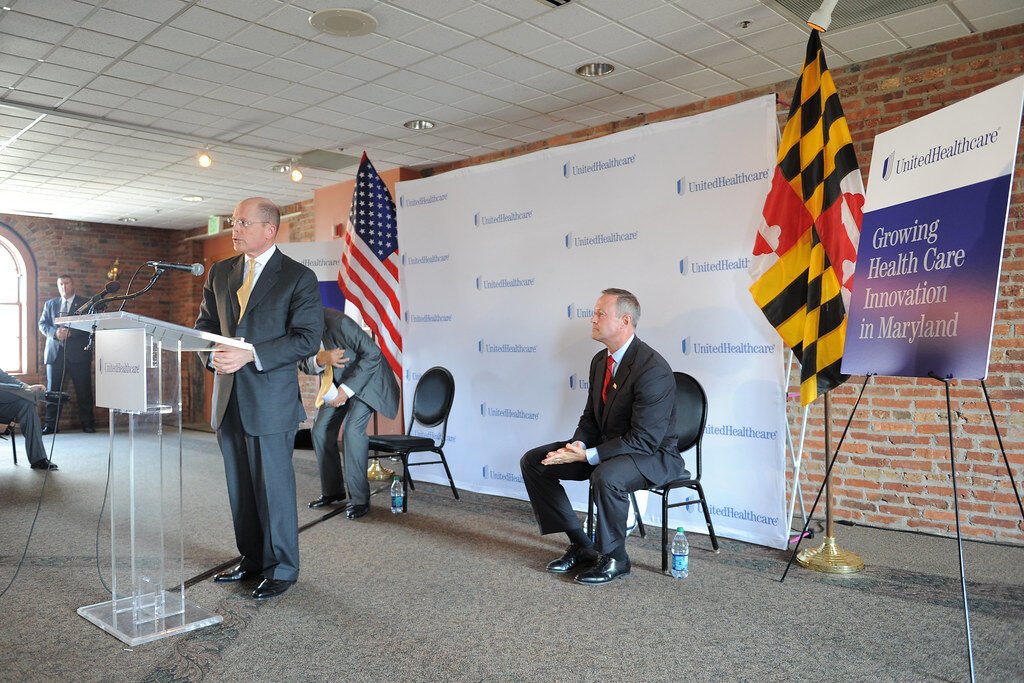
UnitedHealthcare said it would eliminate 30% of its remaining medical prior authorization requirements by the end of 2026.
The reduction would include selected outpatient surgeries, certain diagnostic procedures such as echocardiograms, and some outpatient therapy and chiropractic services. A detailed list of affected procedures was expected to be published on the insurer’s provider website before the changes took effect.
The announcement did not mean that prior authorization would disappear entirely. Services that remained subject to review would still require providers to obtain approval before treatment in many cases.
Prior authorization affects a limited share
UnitedHealthcare reported that prior authorization was required for about 2% of the medical services covered by its health plans.
The company said approximately 92% of submitted requests were approved, and that decisions were completed in an average of less than 24 hours. The insurer reported these figures and may not reflect every patient’s experience across different plans, procedures, and regions.
Prior authorization can still have a significant effect even when it applies to a small portion of services. The procedures involved are often costly or complex, making delays more disruptive for patients awaiting treatment.
Patients could face fewer delays
Removing approval requirements could allow doctors to schedule some tests and treatments without first submitting medical records to the insurer.
That may reduce the risk of appointments being postponed while a request is reviewed. It could also help patients avoid repeated calls between doctors, insurance companies, pharmacies, and medical facilities.
The effect will depend on which procedure codes are removed and when each change becomes effective. Patients will still need to confirm that a provider is in network and that a service is covered under their individual plan.
Doctors may spend less time on paperwork

Prior authorization creates administrative work for physicians, nurses, and office employees who must submit requests, answer questions, and appeal some denials.
A 2025 American Medical Association survey found that physicians completed an average of 40 prior authorization requests each week. About 94% said the process contributed to physician burnout.
Reducing the number of required authorizations could allow medical practices to spend less time on insurer paperwork. However, doctors have remained cautious about whether voluntary industry reforms will create noticeable improvements for patients.
Rural providers will receive wider exemptions
UnitedHealthcare separately announced that many rural health care providers would be exempt from most medical prior authorization requirements by fall 2026.
The policy was expected to cover approximately 1,500 rural hospitals and their associated practitioners, including all Critical Access Hospitals. It would apply across UnitedHealthcare’s commercial, Medicare Advantage, and Medicaid businesses.
Rural hospitals often operate with smaller administrative teams and limited cash reserves. Reducing approval work and accelerating payments could help them devote more resources to patient care.
Electronic submissions will be standardized

UnitedHealthcare also supported an industry effort to create more consistent electronic submission requirements.
The insurer expected more than 70% of its prior authorization volume to use the standardized process by the end of 2026. The approach was intended to reduce missing information, repeated requests, and differences in documentation requirements among health plans.
UnitedHealthcare also offered an online portal that allowed providers to submit requests, check their status, and review whether authorization was required for a member’s plan.
Federal rules are also changing
UnitedHealthcare’s announcement came as federal requirements were pushing insurers toward faster and more transparent prior authorization systems.
Beginning in 2026, certain health plans were required to provide specific reasons when denying prior authorization requests. Many affected payers also had to make decisions within 72 hours for urgent requests and seven calendar days for standard requests.
Additional technology requirements were scheduled mainly for 2027. Those rules called for electronic systems that could help providers exchange information with insurers and track authorization decisions more efficiently.
Concerns about prior authorization remain

UnitedHealthcare described prior authorization as an important safeguard that protects patients and encourages evidence-based treatment.
Insurers argue that reviews can prevent unnecessary procedures, reduce avoidable spending, and identify treatments that may not meet clinical guidelines. Critics say the process can interfere with medical decisions and discourage patients from completing recommended care.
The AMA reported that more than 1 in 4 physicians believed prior authorization had contributed to a serious adverse event for a patient. Only 33% believed the health insurance industry’s broader reform commitments would make a meaningful difference.
UnitedHealthcare’s planned reduction could therefore provide relief. Still, its full effect will become clearer only after the insurer publishes the final list of services and patients begin using the revised process.
TL;DR
- UnitedHealthcare plans to remove 30% of its remaining medical prior authorization requirements by the end of 2026.
- The changes will cover selected outpatient surgeries, diagnostic tests, therapies, and chiropractic services.
- The insurer says prior authorization currently applies to about 2% of its medical services.
- UnitedHealthcare reports approving approximately 92% of submitted requests in less than 24 hours on average.
- Around 1,500 rural hospitals and associated providers will be exempt from most requirements by fall 2026.
- More than 70% of authorization volume is expected to enter a standardized electronic process.
- Doctors and patient advocates say further reforms are still needed to prevent delays and reduce administrative work.