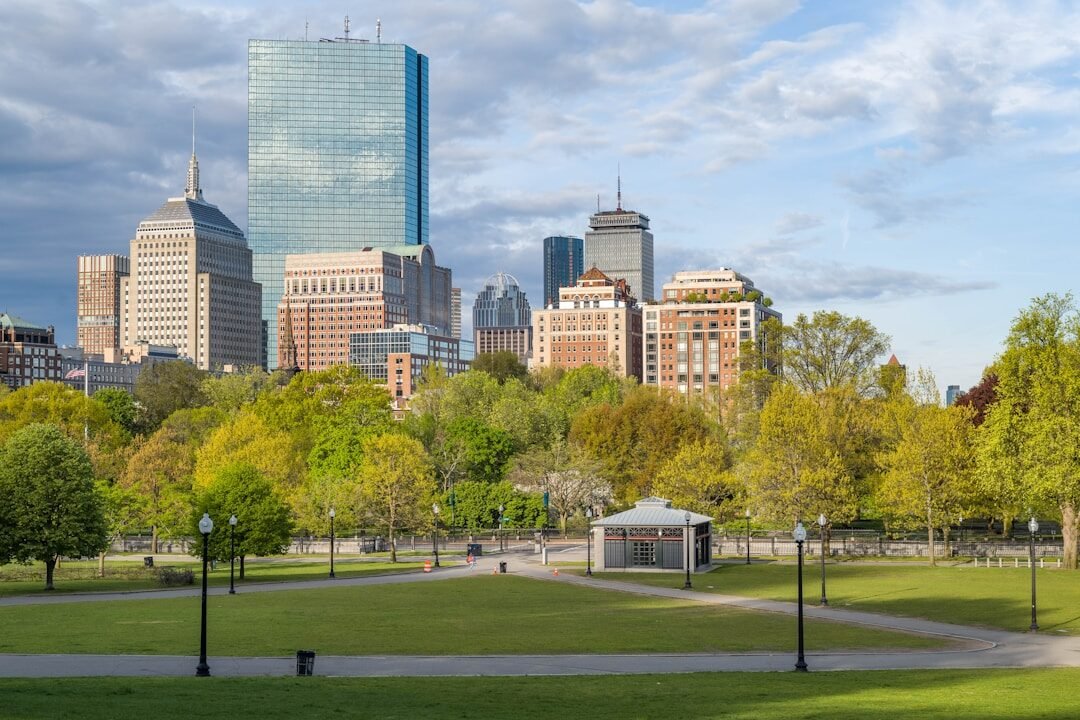

America’s “Cradle of Liberty” is becoming a difficult place for many young adults to build an affordable future.
Greater Boston remains one of the country’s leading centers for education, health care, technology, finance, and scientific research. However, the region’s high rents and home prices are prompting a notable share of younger residents to consider moving to a less expensive area.
The 2026 Young Residents Survey found that 26% of Greater Boston residents ages 20 to 30 were likely to leave the area within the next five years. The results raised concerns about the region’s ability to retain the workers, graduates, entrepreneurs, and community members who support its economy.
More young adults are considering a move

The Greater Boston Chamber of Commerce Foundation commissioned the survey to examine the priorities and concerns of residents ages 20 to 30. HIT Strategies surveyed 600 young adults living in Essex, Middlesex, Norfolk, Plymouth, and Suffolk counties between February 27 and March 20, 2026.
About 69% of respondents said they were likely to remain in Greater Boston over the next five years, while 26% said they were likely to leave. The percentage considering a move was nearly unchanged from the 25% recorded in the 2023 survey.
Among those considering leaving, approximately half expected to remain somewhere in Massachusetts. The other half were considering moving out of the state.
Housing costs remain a major concern
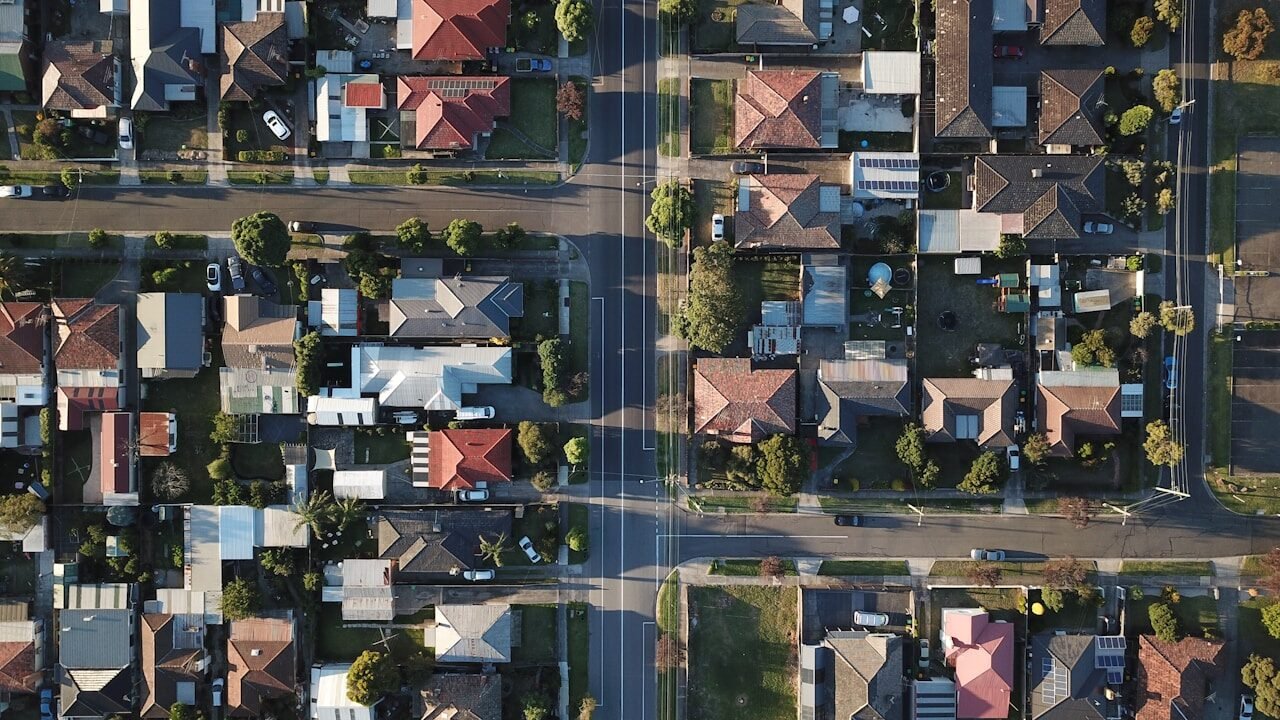
The cost of housing played an important role in decisions to stay or leave. According to the survey, 78% of respondents said rent costs were important, while 72% pointed to the ability to purchase a home.
Affordable housing also ranked as the leading issue young residents wanted local officials to address. About 50% selected affordable housing as a priority, compared with 37% who chose health care access and 34% who identified the availability of quality jobs.
High housing expenses can affect more than monthly budgets. They can influence where people work, how long they live with roommates, when they start families, and whether they believe homeownership is realistic.
Boston’s rent prices remain among the highest
The median asking rent in the Boston metropolitan area reached $2,918 in March 2026. That was the second-highest figure among the country’s 50 largest metropolitan areas, behind only San Jose.
Boston’s median rent was also higher than comparable figures for New York City, San Francisco, and Los Angeles. The national median asking rent across the 50 largest metropolitan areas was $1,669 during the same month.
The difference meant a Boston renter could face more than $1,200 in additional monthly housing costs compared with the national metropolitan median. Even workers earning strong salaries could find it difficult to save after paying for rent, utilities, transportation, food, and other expenses.
Buying a home is also difficult

Renters hoping to become homeowners faced another affordability challenge. Boston’s median home listing price reached approximately $832,500 in April 2026, nearly twice the national median listing price.
Boston ranked as the fifth-most expensive major metropolitan housing market, according to Realtor.com. High mortgage rates, property taxes, insurance costs, and limited inventory added to the difficulty of purchasing a home.
The situation could encourage young professionals to consider markets where their incomes provide greater buying power. A household that cannot afford a small property near Boston may find a larger home available for hundreds of thousands of dollars less in another region.
Southern states are attracting interest
Among respondents considering leaving the Northeast, 46% expressed interest in the Southeast or Southwest. The survey found that 23% were considering each region.
States such as Florida, Tennessee, Kentucky, Arizona, and New Mexico can offer lower home prices or a larger selection of housing in certain communities. However, affordability varies widely by city, and some popular Southern markets have also experienced rapid increases in rents and home prices.
Housing was not the only factor influencing relocation decisions. Job availability and safety were each considered important by 79% of respondents, showing that young adults were also evaluating employment opportunities and overall quality of life.
Life satisfaction has declined
Most young residents continued to report positive experiences in Greater Boston, but overall satisfaction had weakened. About 79% said they were satisfied with their day-to-day lives in the region, down from 89% in 2023.
The decline suggested that Boston’s cultural attractions, universities, career opportunities, and established communities were not fully offsetting affordability pressures. Still, the survey found that 64% experienced some ease in building community relationships, an improvement of 17 percentage points from 2023.
This created a mixed picture. Young adults were finding it easier to develop social connections, but many continued to worry about the financial cost of remaining in the region.
Massachusetts is trying to add housing
Gov. Maura Healey signed the Affordable Homes Act in 2024, authorizing more than $5 billion for housing investments and nearly 50 initiatives intended to encourage development.
The law included support for affordable housing, public housing repairs, accessory dwelling units, and the redevelopment of state-owned land. State officials also pursued zoning reforms intended to create more multifamily housing near public transportation.
However, expanding the housing supply can take years. Projects must often pass through financing, permitting, zoning, infrastructure planning, and construction before homes become available.
Massachusetts also received an F in Realtor.com’s state housing report card. The state ranked near the bottom for affordability and homebuilding because high prices were combined with relatively limited construction.
Boston’s economy depends on retaining talent
Greater Boston’s universities produce a steady supply of highly educated graduates, while its hospitals, laboratories, financial companies, and technology employers attract workers from across the country.
These residents support more than the region’s high-skilled industries. They also spend money at restaurants, stores, entertainment venues, and local service businesses.
Losing a meaningful share of young workers could eventually make it harder for employers to recruit employees and for communities to maintain long-term economic growth. Increasing housing production may therefore be necessary not only for affordability but also for Boston’s competitiveness.
Greater Boston continues to offer strong career, educational, and cultural opportunities. The challenge is making those opportunities valuable enough to outweigh the cost of staying.
TL;DR
- A 2026 survey found that 26% of Greater Boston residents ages 20 to 30 were likely to leave within five years.
- The survey included 600 young adults from five counties in Greater Boston.
- About 78% said rent costs were important when deciding whether to stay or leave.
- Another 72% identified the ability to purchase a home as an important factor.
- Boston’s median asking rent reached $2,918 in March 2026.
- The metropolitan area’s median home listing price reached about $832,500 in April.
- Massachusetts authorized more than $5 billion for housing through the Affordable Homes Act.