

Social Security changes under the Trump administration are drawing scrutiny from advocates who say new identity checks and a possible Supplemental Security Income rollback could make benefits harder to access for older adults, disabled people, and low-income families.
The Social Security Administration has moved to strengthen identity proofing for some services, while a pending rule could reverse a 2024 SSI policy that expanded the agency’s definition of a public assistance household.
Officials say tighter rules can help protect benefits and reduce fraud. Critics say the combined effect could increase in-person visits, paperwork, delays, and benefit cuts for some of the country’s most vulnerable households.
What changed at Social Security
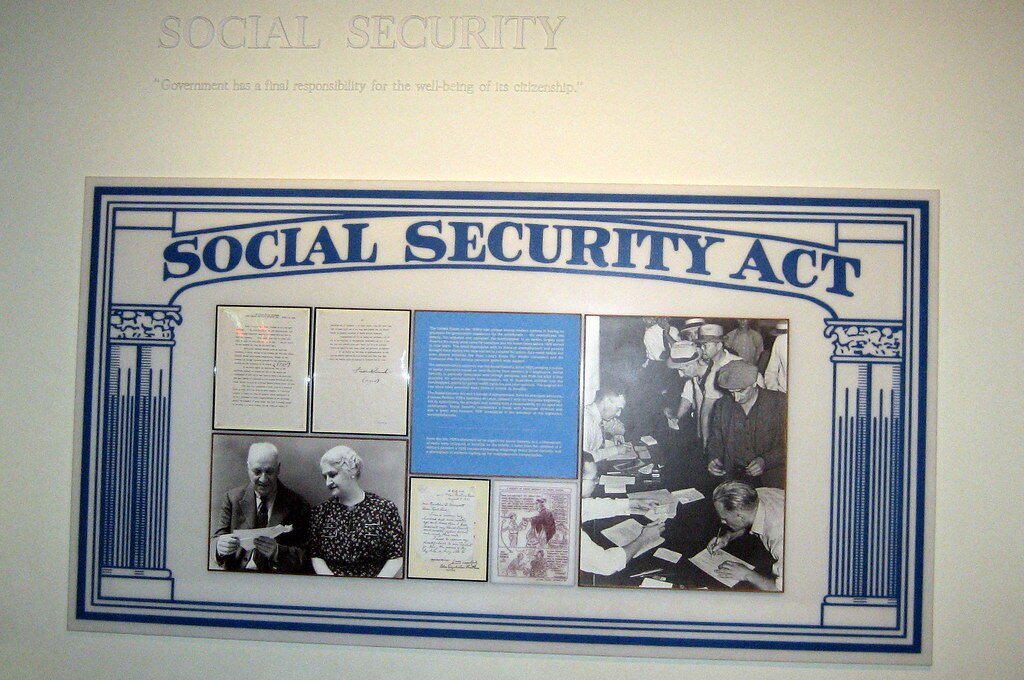
The Social Security Administration announced stronger identity verification rules in 2025 following concerns about fraud tied to benefit claims and changes to direct deposit. The agency said the changes were meant to protect records and benefits from improper access.
Under the updated policy, people who cannot use a personal My Social Security account may need to verify their identity in person for certain transactions. The agency later clarified that people applying for SSDI, Medicare, or SSI can still complete claims by phone if they cannot use the online account system.
Changes to direct deposit became a major part of the debate. SSA said it would speed processing for certain direct deposit updates, while also requiring stronger identity proofing to reduce the risk of unauthorized changes.
Why advocates worry about access
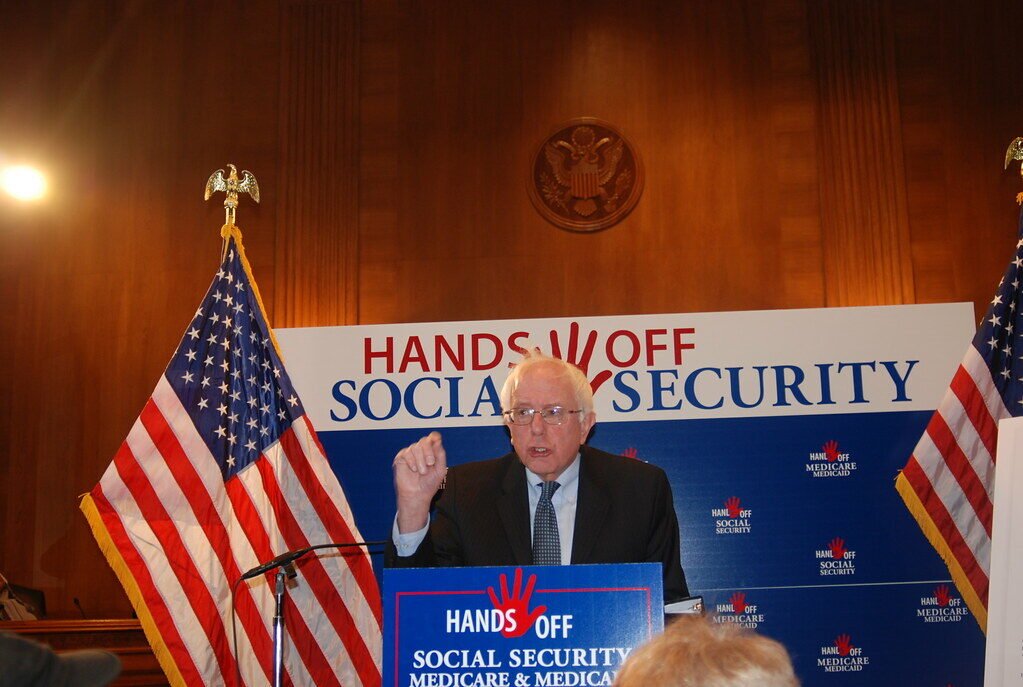
Advocates say the issue is not whether Social Security should prevent fraud. Their concern is that online systems and in-person requirements can create barriers for people who lack access to technology, transportation, identification, or confidence in using digital tools.
Older adults and people with disabilities are especially likely to need help navigating online accounts. Some beneficiaries may not have a smartphone, a driver’s license, stable internet access, or the documents required to pass digital identity checks.
The concern grows when field office access is limited or wait times are long. If a person cannot verify online and must schedule an in-person appointment, a security rule can become a service delay, even for someone who is legally entitled to benefits.
The SSI rule dispute is separate but connected
A separate fight involves Supplemental Security Income, the federal benefit for people with very limited income and resources who are disabled, blind, or older. SSI is separate from Social Security retirement benefits, but it is administered by the same agency.
In 2024, SSA finalized a rule expanding the definition of a public assistance household. The rule added SNAP to the list of qualifying programs and changed the standard so that a household could qualify when an SSI applicant or recipient lived with at least one other person receiving qualifying public assistance.
That change mattered because a public assistance household status can affect how SSA counts in-kind support and maintenance. In simpler terms, it can affect whether food or shelter support from family reduces a person’s SSI payment.
Who could face benefit cuts?

The Trump administration is now moving toward a rollback of that broader SSI household policy, according to reporting and advocacy analyses. If SNAP no longer helps a household qualify, some SSI recipients living with family could see housing support counted against them.
CBPP estimates that removing SNAP as a qualifying form of public assistance would likely cut benefits for more than 275,000 people and cause more than 100,000 others to lose eligibility. ProPublica reported that as many as 400,000 poor and disabled people and indigent older adults could have support reduced or eliminated.
The people most exposed are not only older adults. They include disabled young adults living with parents, people with Down syndrome or severe autism, adults with major mental health conditions, and older people who have moved in with relatives because they cannot afford to live alone.
Paperwork could become a bigger burden
SSI already has strict financial rules. The resource limit is $2,000 for an individual and $3,000 for a couple, and recipients must regularly report income, resources, living arrangements, and changes in household circumstances.
If the older public assistance household rule returns, some families could face more detailed reporting about rent, utilities, food, who lives in the home, and who pays each bill. Those rules can become difficult for households where income, work hours, caregiving arrangements, or family support change often.
That paperwork is not just a burden for beneficiaries. It also creates work for Social Security employees, who must review records, calculate reductions, handle appeals, and correct underpayments or overpayments when cases are later found to be wrong.
TL;DR
- Social Security has strengthened identity verification requirements for some claims and implemented changes to direct deposit.
- SSA says the changes are meant to protect benefits and reduce fraud.
- Advocates warn that online and in-person verification can burden older adults, disabled people, and low-income families.
- A separate SSI proposal could roll back a 2024 rule that expanded the definition of a public assistance household.
- Analyses warn that hundreds of thousands of SSI recipients could face cuts, lost eligibility, or heavier paperwork if the rollback moves forward.