
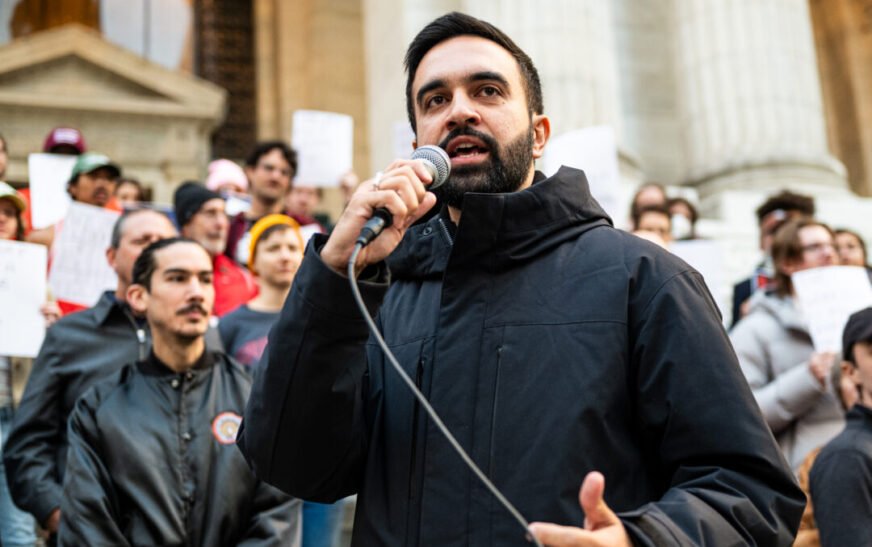
New York City’s luxury home tax fight has become a test of how far local leaders can go in asking wealthy property owners to help fund public services without weakening the city’s appeal to investors and high-income residents.
The debate centers on a pied-à-terre tax backed by Mayor Zohran Mamdani and Gov. Kathy Hochul, aimed at luxury second homes owned by people who have a primary residence outside the city. Supporters say the measure can raise major revenue for housing, transit, schools, parks, and other services. Critics say the tax adds another reason for wealthy residents and businesses to consider moving to lower-tax states, especially Florida.
What the luxury home tax targets
The tax targets high-value New York City homes that are not used as primary residences. Hochul’s office described the proposal as a yearly surcharge on luxury second homes valued at $5 million or more, intended to make nonresident owners contribute more to city finances.
The policy is commonly known as a pied-à-terre tax. In practical terms, it is aimed at expensive homes that may sit empty for much of the year while still benefiting from the city services that support property values.
Supporters say the tax is not designed to hit everyday homeowners. The state’s explanation says it would apply to homes that are not the owner’s primary residence, are not rented to a New York City primary resident, and are not occupied by the owner’s family.
Why Mamdani and Hochul support it
Mamdani has framed the tax as part of a broader affordability agenda. His argument is that New York City needs new recurring revenue while many working residents face pressure from housing, transportation, and basic living costs.
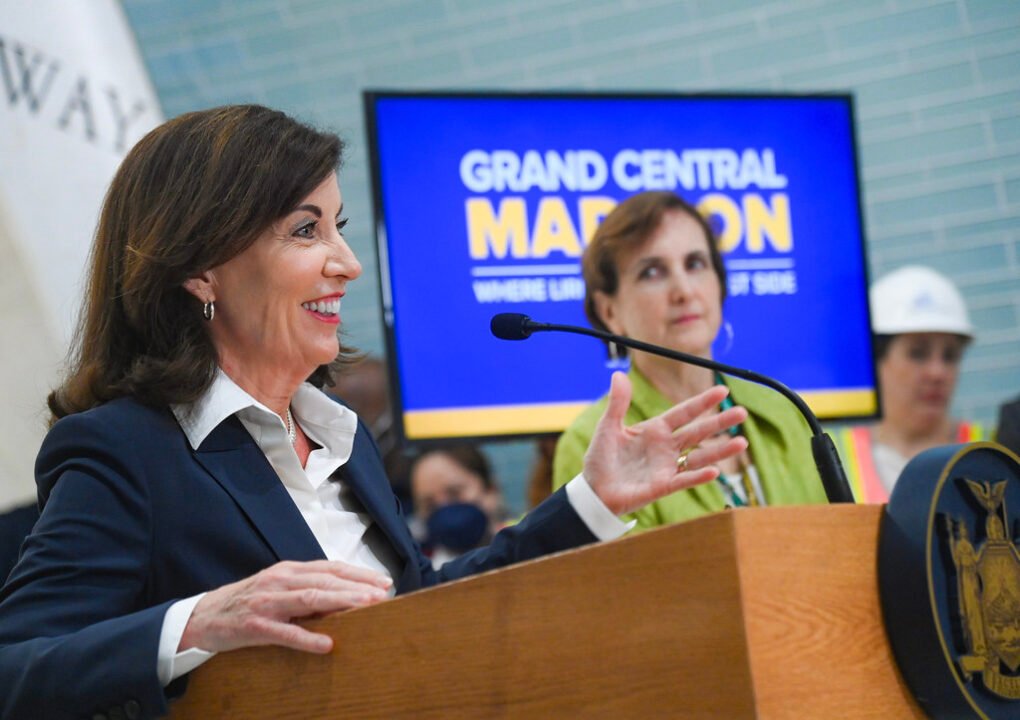
Hochul’s office said the tax could generate at least $500 million a year in recurring revenue for the city. The state said the money would help address New York City’s budget needs without broadly raising taxes on full-time city residents.
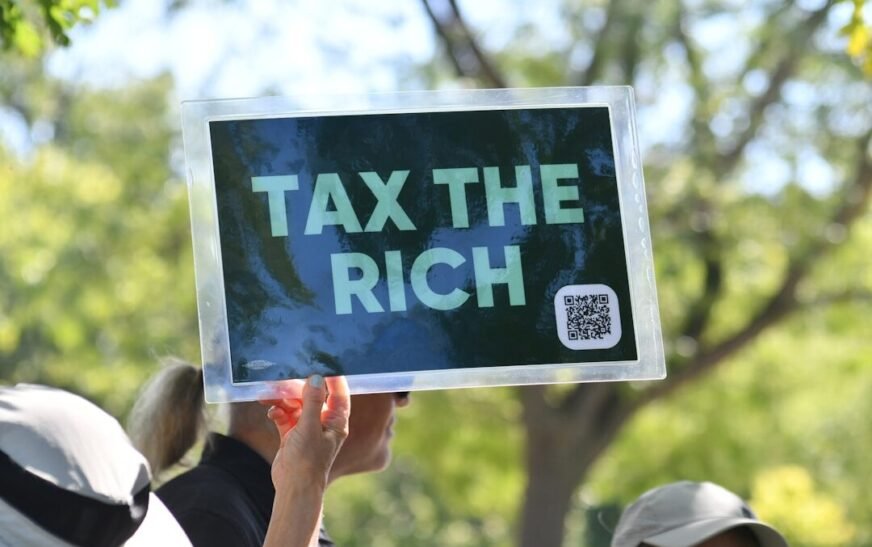
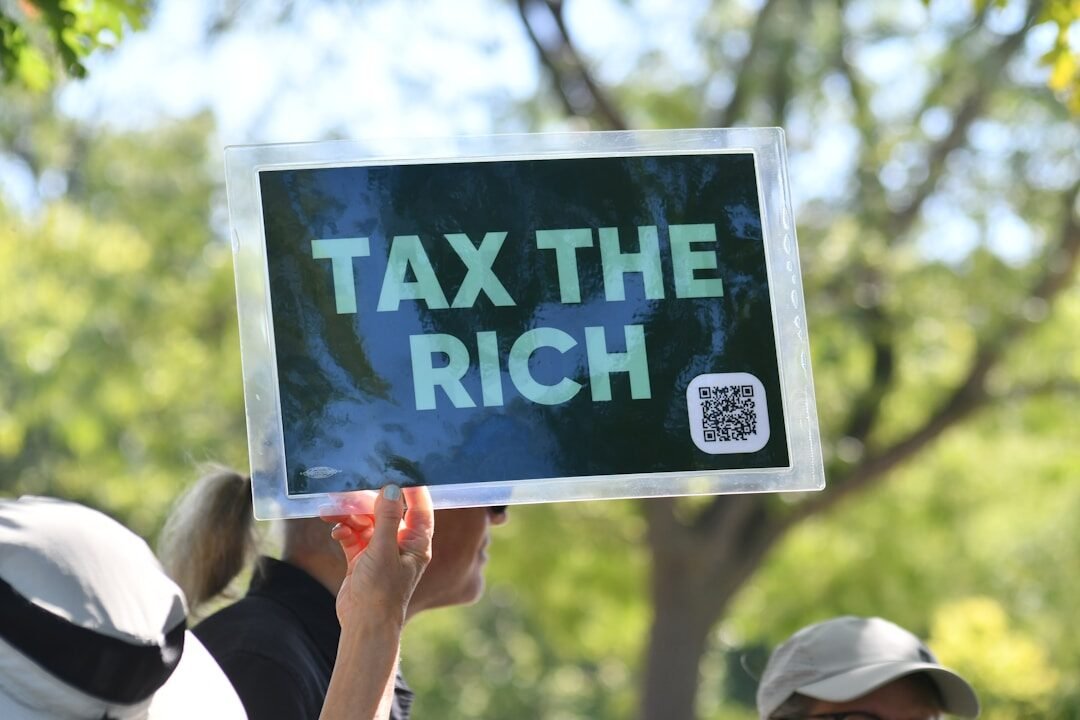
The political message is also clear. Backers want to show that ultrawealthy property owners, especially those who use New York real estate as a part-time residence or investment, should help fund the services that protect and sustain the city.
Why critics see a migration risk
Critics argue that the tax adds to broader concerns about New York’s cost structure. They say wealthy taxpayers, investors, and companies already compare New York with lower-tax states when deciding where to live, expand, or invest.
Florida often sits at the center of that comparison because it has no state personal income tax and has attracted many former residents from high-tax states. For high earners, the difference between state and local tax systems can become part of long-term financial planning.
The migration picture is not simple. New York State tax data shows out-of-state address changes by taxpayers fell after the pandemic surge. The rate for taxpayers with at least $1 million in adjusted gross income was 2.49% in 2024, down from 6.09% in 2020, but still above the overall taxpayer rate of 1.99%.
Ken Griffin’s reaction sharpened the business debate
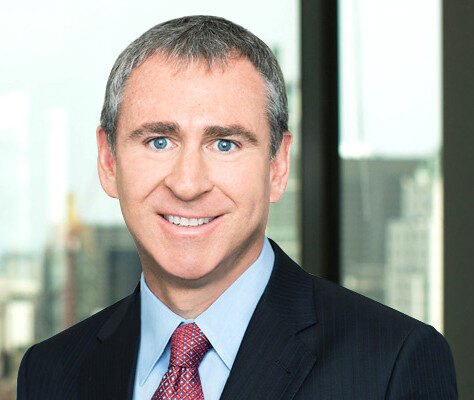
The tax debate drew national attention after Mamdani promoted the policy while highlighting Citadel founder Ken Griffin’s Manhattan penthouse. Griffin later said Citadel should double down on Miami and criticized New York’s business climate.
That reaction matters because Citadel had already moved its headquarters from Chicago to Miami. The latest remarks were less about explaining that original move and more about signaling where future growth and business confidence could go.
Mamdani’s office has defended the policy direction by arguing that the current tax system rewards extreme wealth while working people face rising costs. Supporters say business decisions depend on many factors, including talent, markets, real estate, safety, transportation, and long-term strategy.
How the numbers shape the policy fight
The $500 million revenue estimate is important because it turns the tax from a symbolic proposal into a budget tool. For a city facing heavy service demands, recurring revenue can help fund programs without relying only on spending cuts or temporary money.
The city comptroller’s analysis shows the structure is more complicated than a simple mansion tax. One- to three-family homes, condominiums, and co-ops can be assessed differently, and the details matter for how the tax is calculated and collected.
That complexity gives critics another argument. They warn that new taxes on high-value homes can affect property values, ownership decisions, and the luxury real estate market. Supporters respond that the narrow target limits the burden to owners with the greatest ability to pay.
What does the debate mean next?

The next phase will be less about slogans and more about implementation. If the tax is applied as planned, city and state officials will have to show that it raises meaningful revenue without creating avoidable confusion for property owners, co op boards, and the real estate market.
The wider question is whether New York can keep raising revenue from wealthy residents and property owners while staying competitive with lower-tax states. That balance is difficult because New York depends heavily on high earners, but also faces deep pressure to fund services that keep the city livable.
For Mamdani, the tax is a test of his broader governing argument. He is betting that New York can ask more from luxury property owners without driving away the people and capital that help support the city’s economy.
TL;DR
- New York City’s pied à terre tax targets luxury second homes owned by people whose primary residence is outside the city.
- Gov. Kathy Hochul said the measure could raise at least $500 million a year for city services.
- Supporters say the tax makes ultrawealthy property owners contribute more to the city.
- Critics warn that higher taxes could encourage wealthy residents, investors, and businesses to consider lower-tax states like Florida.
- The next test is whether New York can collect the revenue without weakening confidence in its high-end real estate and business climate.