
Missouri lawmakers are weighing a major tax restructuring that could eventually eliminate the state income tax and give future legislatures more room to expand sales taxes. The Missouri income tax proposal, backed by Republican state Rep.
Bishop Davidson of the Republic would ask voters to approve a constitutional amendment that gradually reduces the top income tax rate as state revenue grows. Supporters say the plan would make the tax system simpler and more growth-friendly. Critics say it could shift more of the cost of government onto everyday purchases, including services that are not currently taxed.
The proposal would phase out the income tax
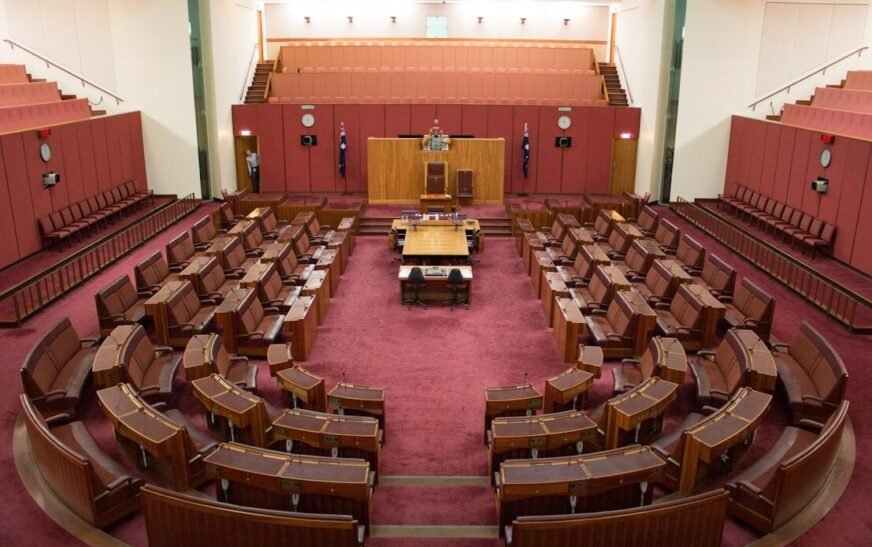
The amendment would gradually reduce Missouri’s top individual income tax rate when state revenue reaches certain growth targets. Davidson told a Senate committee that the goal is to lock those cuts into the constitution and prevent a later legislature from restoring the tax after it reaches zero.
Davidson argued that sales taxes are more visible to taxpayers and easier to understand than income taxes. He also said sales taxes can collect revenue from tourists and other nonresidents who spend money in Missouri.
The measure would not, on its own, directly raise the sales tax rate. Instead, it would give lawmakers a three-year window to broaden the sales tax base and remove exemptions to replace revenue now collected through the income tax.
The sales tax authority is the main dispute

The central dispute is not only whether Missouri should cut income taxes. The question is whether voters should approve a constitutional framework that allows lawmakers later to decide which goods, services, and transactions can be taxed.
Davidson told lawmakers that the proposal does not immediately tax services. But when questioned by state Sen. Patty Lewis, a Kansas City Democrat, he acknowledged that the language would allow future legislation to expand state and local sales taxes to transactions involving goods and services.
That could include haircuts, legal services, streaming subscriptions, and home repairs. The proposal would also allow a sales tax on motor fuel for the first time and separate that revenue from the constitutional rule that dedicates gasoline and diesel taxes to highway needs.
Numbers show why the shift matters

Missouri’s personal income tax is nearly flat, with the top rate of 4.7% applying to taxable income above $9,436. The state sales tax totals 4.225%, including 3% for general revenue and 1.225% earmarked for public schools, conservation, state parks, and soil conservation.
Local sales taxes are added to the state rate. More than 50 locations in Missouri already have combined sales tax rates of 11% or higher.
Replacing the revenue from the individual income tax without expanding the sales tax base would require raising the state sales tax rate to nearly 13%. That number is why critics say the plan could lead to a much broader tax system on everyday purchases.
Critics warn of household impact
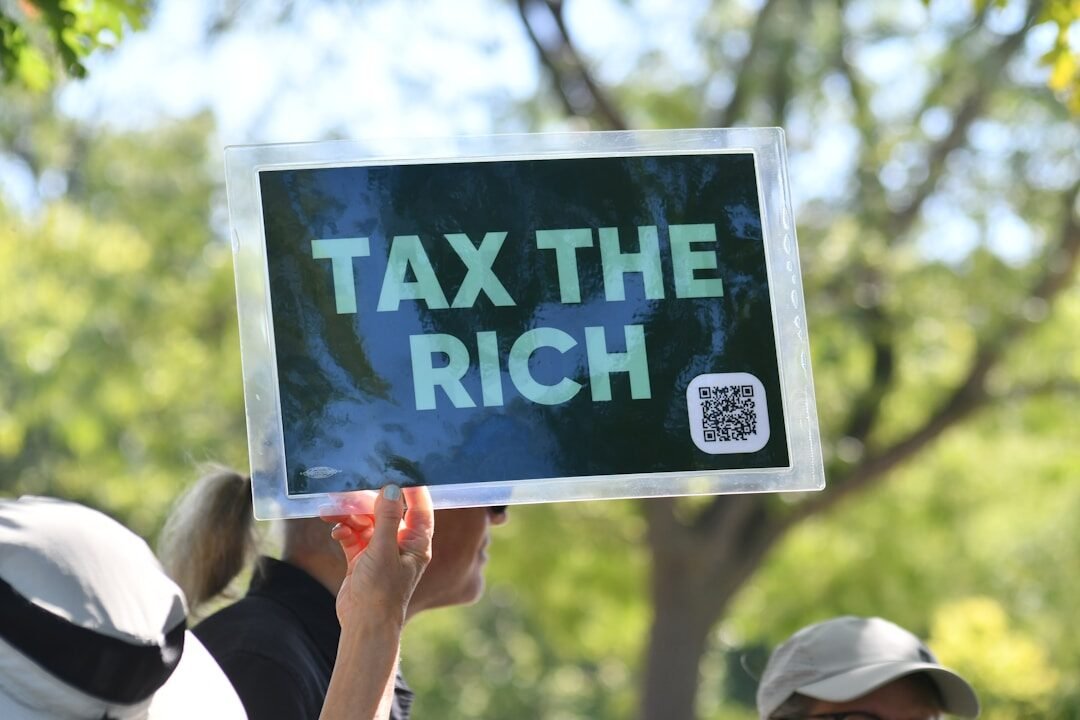
The Institute on Taxation and Economic Policy estimated that Missourians earning about $49,000 to $78,000 would pay about $535 more a year on average under a shift from income taxes to higher sales taxes. The group estimated that households earning about $24,000 to $49,000 would pay about $850 more.
The same analysis found that the top 1% of households would receive an average annual tax cut of nearly $40,000. That contrast has become a key argument for opponents who say the plan would be regressive.
Lewis also questioned the timing of the proposal. Missouri lawmakers are already dealing with a tighter budget picture, after the House approved a spending plan that would close an almost $2 billion deficit by using much of the state’s remaining general revenue surplus.
Supporters point to no-income tax states

Davidson pointed to Tennessee, Florida, and Texas as examples of states that operate without a personal income tax and have posted strong growth. He said Missouri has assets that compare favorably with Tennessee and argued that tax and regulatory policy are key differences between the two states.
Critics argue that such comparisons omit important factors. Florida benefits heavily from tourism sales tax revenue, while Texas has a large oil and gas economy. Tennessee has no wage income tax but relies on one of the nation’s highest combined state and local sales tax rates.
The debate now turns on whether Missouri voters and lawmakers view the proposal as a growth strategy or a risky shift in who pays. Based on the amendment language, the income tax cuts would be automatic only when revenue grows, while the details of any broader sales tax system would be decided later by the legislature.
TL;DR
- Missouri lawmakers are considering a constitutional amendment that would gradually phase out the state income tax.
- The measure would not directly raise sales taxes, but it would allow lawmakers to later expand sales taxes to more goods and services.
- Critics say middle- and lower-income households could pay more, while the wealthiest households would receive the largest tax cuts.
- Supporters say replacing income taxes with broader sales taxes could make Missouri more competitive with no-income-tax states.
- The proposal’s biggest unresolved issue is how Missouri would replace income tax revenue without putting more pressure on everyday purchases.