
Chicago has plenty of famous attractions, but the best sightseeing experiences go beyond checking landmarks off a list. The city rewards visitors who look up at its architecture, step inside historic buildings, sample local food traditions, and explore places that tell the stories that shaped American culture.
These touristy things to do in Chicago are different from the usual museum, Navy Pier, beach, and river cruise recommendations. The list combines skyline views, public art, unusual museums, historic homes, local guides, and memorable photo stops. Some activities require tickets, while others are completely free.
Step onto The Ledge at Skydeck
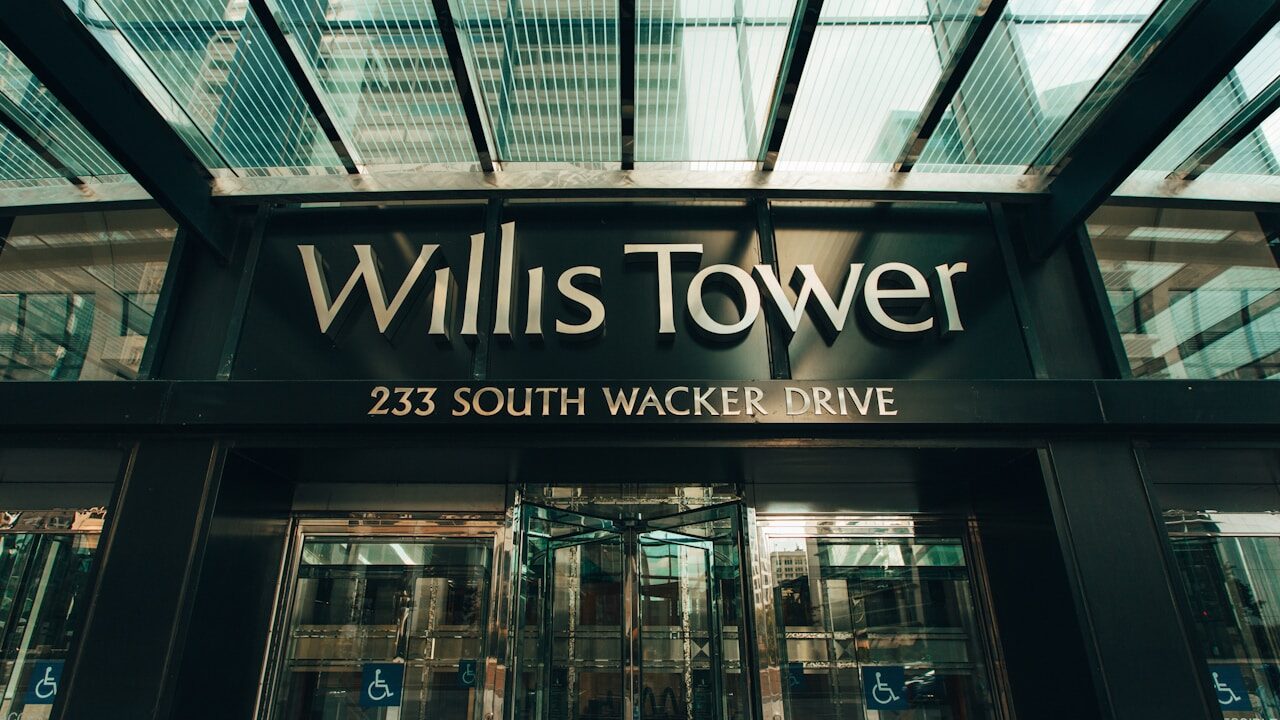
Skydeck Chicago delivers one of the city’s biggest sightseeing thrills from the 103rd floor of Willis Tower. Its glass balconies, known as The Ledge, extend more than 4 feet beyond the building’s edge, allowing visitors to look directly down at the streets below.
The attraction also includes an interactive Chicago museum before the elevator ride. On a clear day, the observation level can provide views stretching for dozens of miles. Sunset is especially popular, so reserve a timed ticket early or visit shortly after opening to avoid the heaviest crowds.
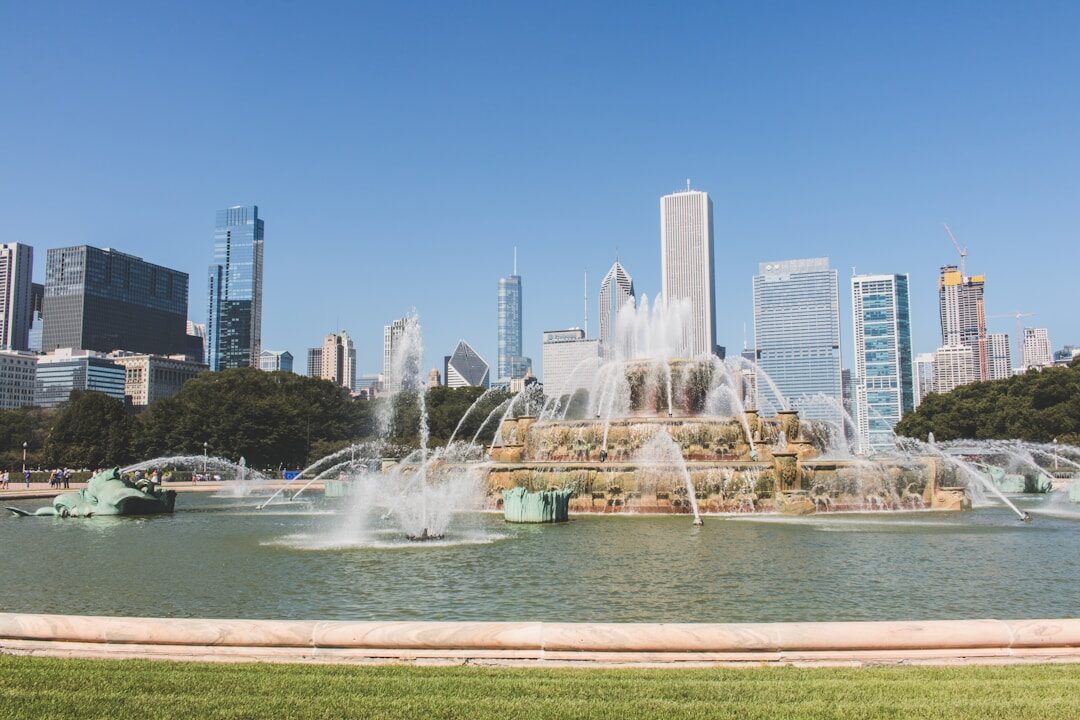
Watch Buckingham Fountain come alive
Buckingham Fountain is more than a quick photo stop. Located in Grant Park, the enormous fountain creates timed water displays throughout its operating season, with a center jet that rises dramatically above the surrounding basins.
Visit during daylight for skyline photographs, then return after sunset when the lights add color to the water show. The fountain generally operates during the warmer months and is usually open from morning until late evening, although special events in Grant Park can restrict access. It is free to visit and easy to combine with a walk through the southern end of downtown.
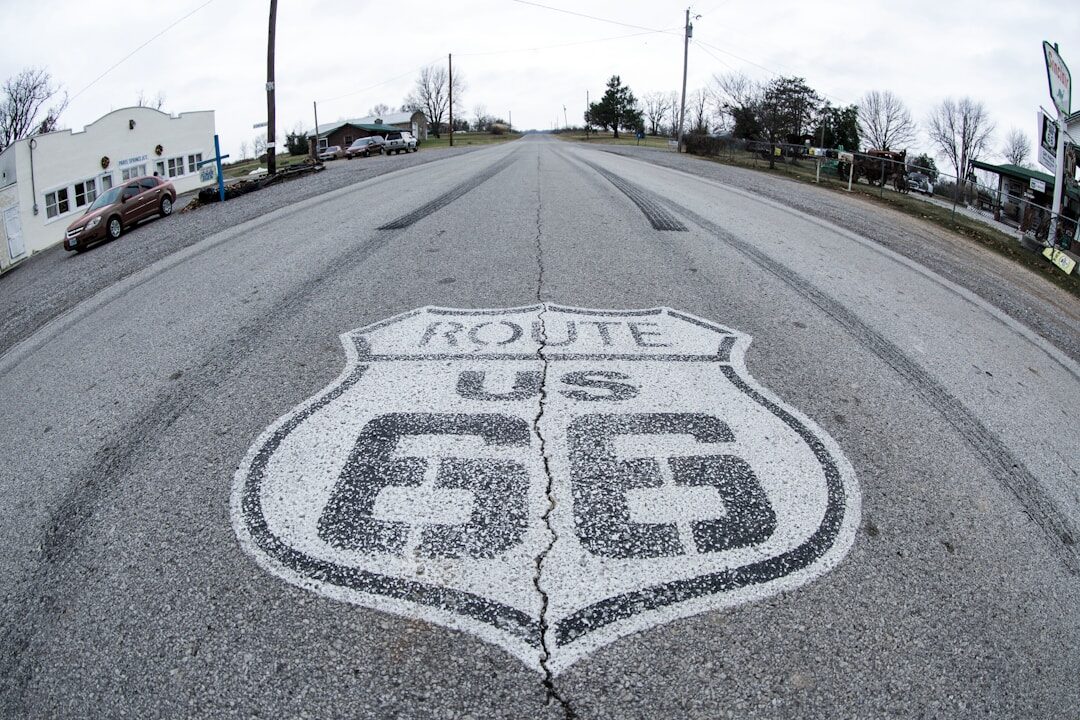
Find the historic Route 66 marker
One of America’s most famous road trips traditionally began in downtown Chicago. Visitors can photograph the “Begin Historic Route 66” marker near Adams Street and Michigan Avenue, close to the route’s original eastern endpoint.
The stop became even more meaningful in 2026 as Route 66 celebrated its 100th anniversary. The highway was established in 1926 and eventually connected Chicago with Santa Monica, California, passing through eight states. The sign only takes a few minutes to see, but it offers a classic photograph for road-trip fans and travelers interested in American history.
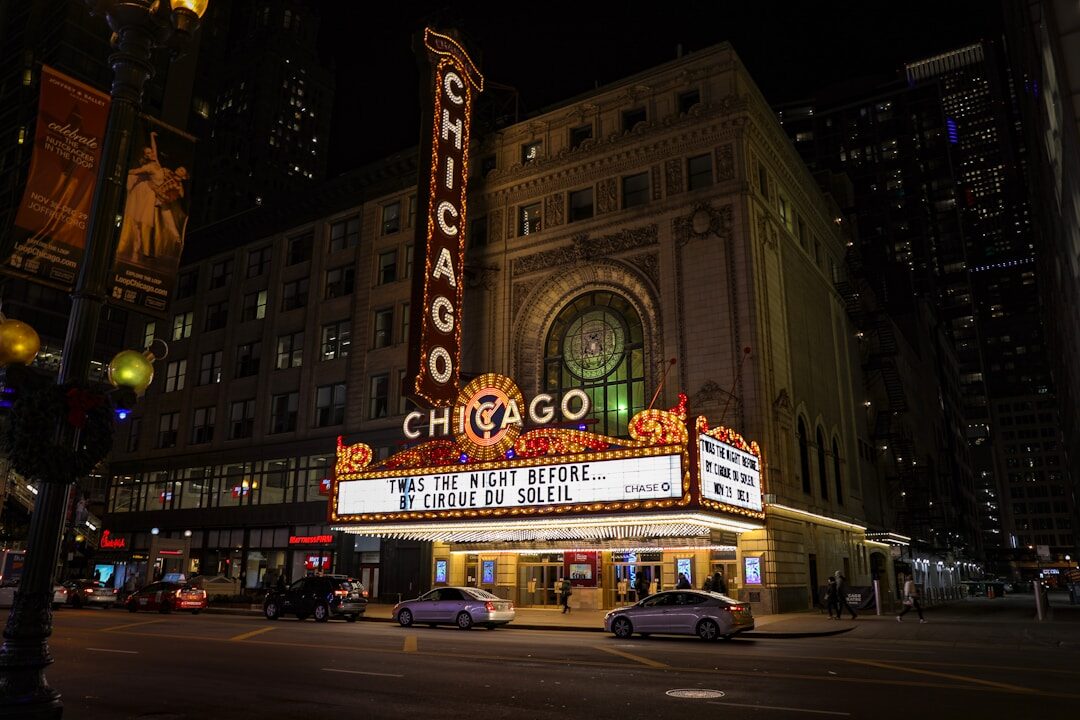
Pose beneath the Chicago Theatre marquee
The bright Chicago Theatre sign is one of the city’s most recognizable images. The theater opened in 1921 and became the flagship of the influential Balaban and Katz theater chain. Today, it hosts concerts, comedy performances, talks, and other live events.
Even without a ticket, the vertical sign and glowing marquee make an excellent downtown photo stop. For a fuller experience, check the performance calendar and attend a show inside the elaborate auditorium. Event availability changes throughout the year, so reserve early when a well-known performer is scheduled.
See the MART become a giant canvas
ART on THE MART turns the MART’s river-facing side into a massive digital art display. Animated artwork is projected across the building’s facade, creating an experience that mixes technology, architecture, music, and public art.
The changing program features different artists and creative themes throughout the season. A popular viewing area is across the river near Wacker Drive, where spectators can see the complete projection without standing too close to the building. The presentation is free, but schedules vary by season, and individual displays may be postponed by weather or special events.
Explore with a Chicago Greeter
Instead of following a prerecorded tour, explore the city with someone who actually lives there. Chicago Greeter pairs visitors with local volunteers who share neighborhood history, architecture, food suggestions, and under-the-radar places.
The program is free and can cover downtown attractions or neighborhoods beyond the main visitor areas. A Greeter visit can be especially helpful on the first or second day of a trip because the volunteer may offer ideas for the rest of your stay. Visits should be arranged in advance through the official program rather than treated as a last-minute walk-up activity.
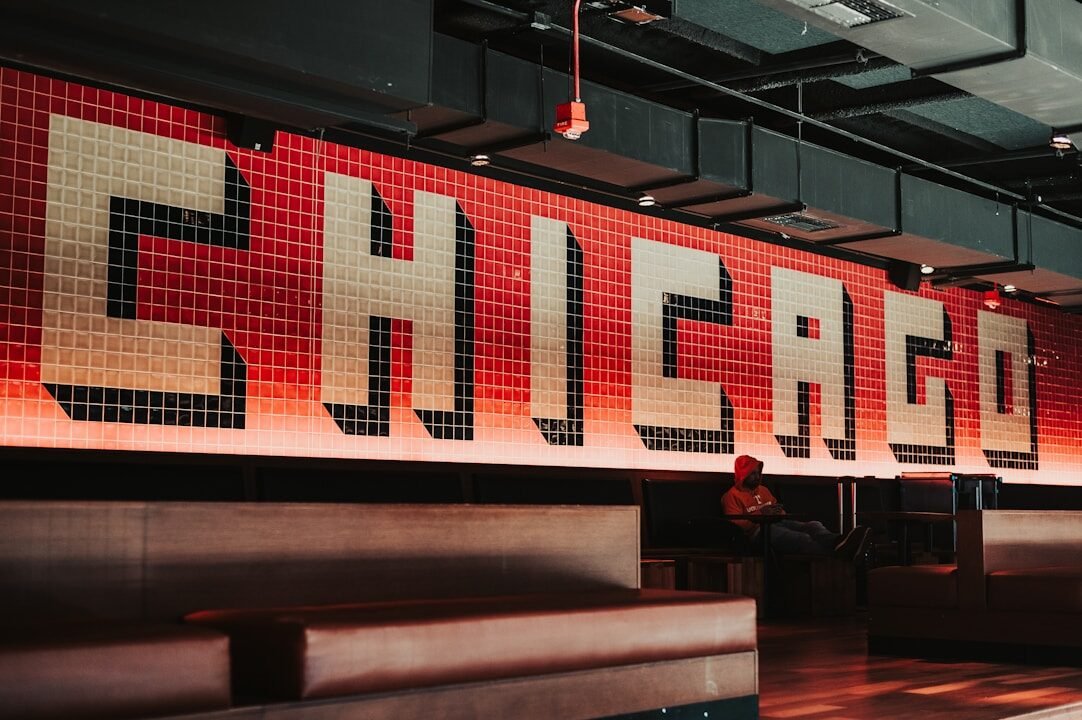
Enter a Gilded Age mansion
The Richard H. Driehaus Museum offers visitors a glimpse into the extravagant world of wealthy late-19th-century Chicago. It occupies the restored Nickerson Mansion, where rooms feature carved wood, marble, decorative tiles, stained glass, and period furnishings.
The building is a major part of the experience, so even travelers who do not normally visit decorative arts museums may enjoy it. Exhibitions and guided programs add context about architecture, craftsmanship, and life during the Gilded Age. The museum is near the Magnificent Mile, making it easy to include in a downtown shopping or sightseeing day.
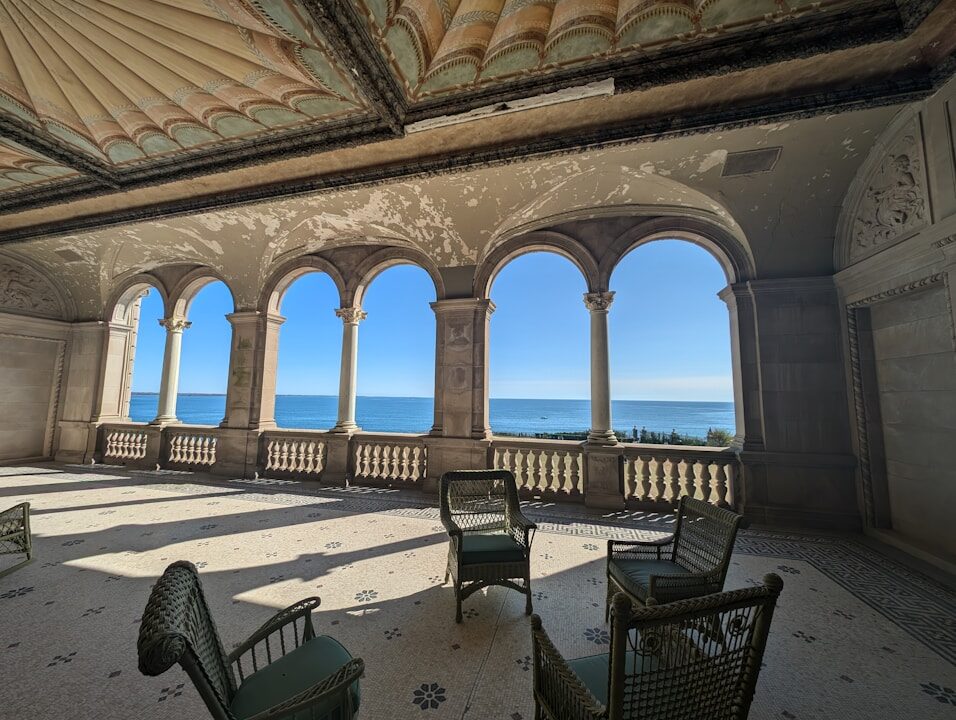
Tour Frank Lloyd Wright’s Robie House
Architecture fans can see one of Frank Lloyd Wright’s most important Prairie-style homes in Hyde Park. Completed in 1910, the Robie House uses strong horizontal lines, open interior spaces, carefully designed furniture, and windows that connect the building with the surrounding landscape.
Visitors must join a guided tour to enter the house. Standard and more detailed tour options are available, and booking is strongly recommended because groups have limited capacity. Combine the visit with lunch in Hyde Park or a walk around the University of Chicago campus, rather than immediately returning downtown.
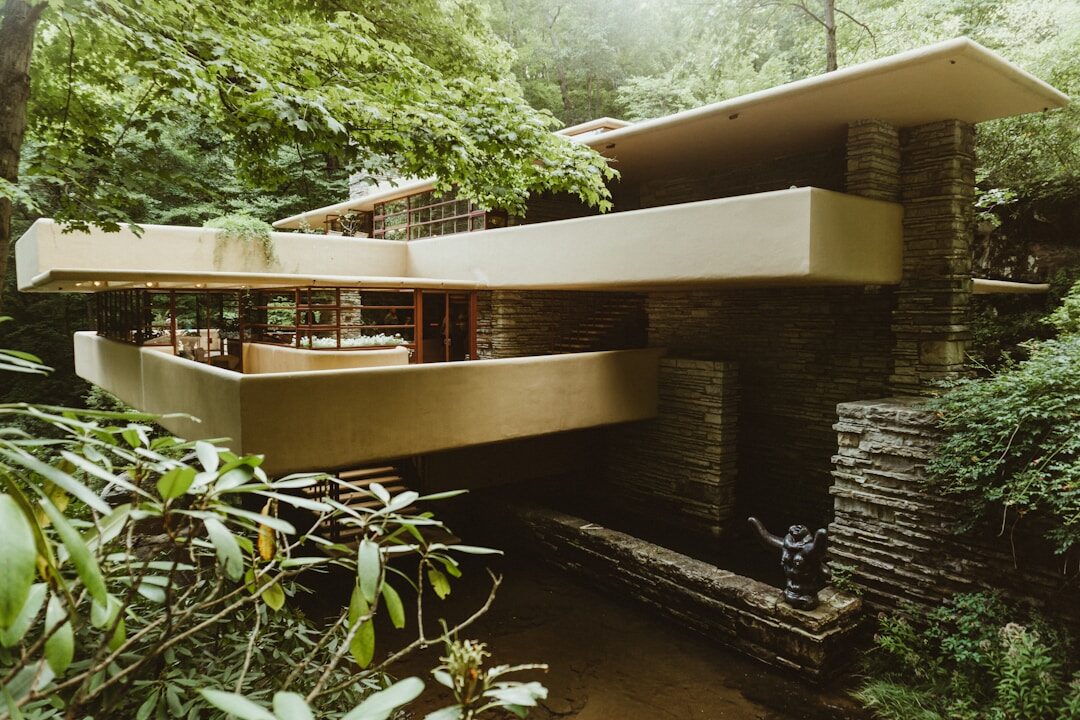
Visit Chicago’s strangest medical museum
The International Museum of Surgical Science is one of Chicago’s more unusual attractions. Housed in a historic Lake Shore Drive mansion, it presents the history of surgery and medicine through instruments, artwork, reconstructed medical spaces, books, and changing exhibitions.
Some displays may not appeal to visitors who are uncomfortable with medical subjects, but the museum is generally educational rather than designed to shock. The mansion itself adds another layer of interest, with elegant rooms that contrast sharply with the surgical artifacts. It is a memorable alternative to Chicago’s much larger and busier museums.

Play with words at the American Writers Museum
The American Writers Museum explores how novels, speeches, poetry, journalism, music, and other forms of writing have shaped life in the United States. Rather than relying only on objects behind glass, it uses interactive displays that encourage visitors to read, listen, type, and create.
Exhibitions cover writers from different eras, backgrounds, and parts of the country. The museum is compact enough to explore in a day, making it a convenient indoor addition to a Loop itinerary. It is currently open Thursday through Monday, but travelers should confirm hours before visiting.
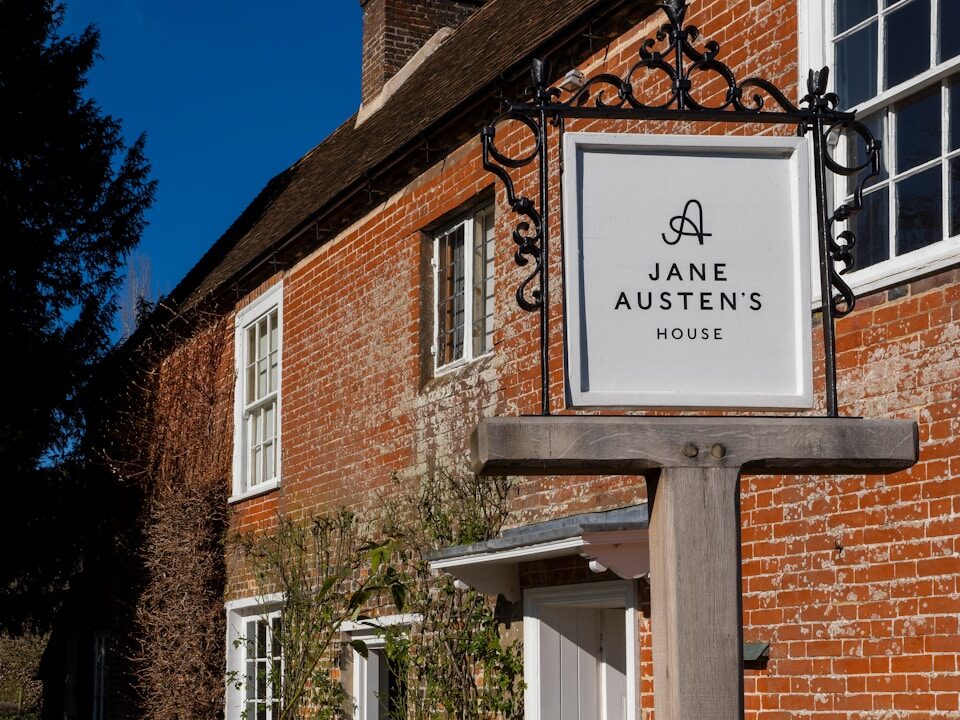
Walk into Union Station’s Great Hall
Chicago Union Station is an active transportation hub, but its Great Hall feels like a movie set. The grand room features towering columns, long wooden benches, decorative details, and a massive skylight that fills the space with natural light.
The station was originally designed by Daniel Burnham and completed by Graham, Anderson, Probst, and White. Visitors can enter the public areas without taking a train, although they should remain aware of passengers moving through the building. It works well as a short stop before visiting Willis Tower or exploring the West Loop.
Taste Chicago’s original-style brownie
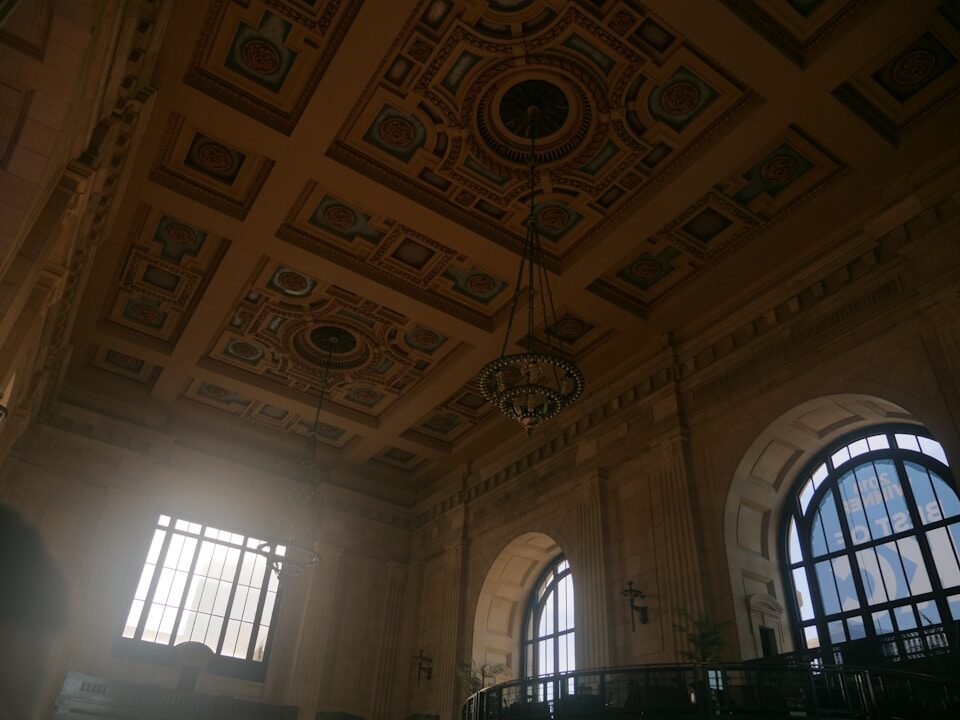
The Palmer House offers visitors a chance to eat a dessert tied to Chicago’s 1893 World’s Columbian Exposition. According to the hotel’s famous origin story, Bertha Palmer requested a portable dessert that could be served to women attending the fair.
The resulting chocolate creation used walnuts and an apricot glaze, making it different from many modern brownies. The Palmer House continues to serve a version based on the historic recipe. While there, look around the hotel’s grand lobby and painted ceiling, which provides a dramatic setting for a quick dessert stop.
Create a free public art trail
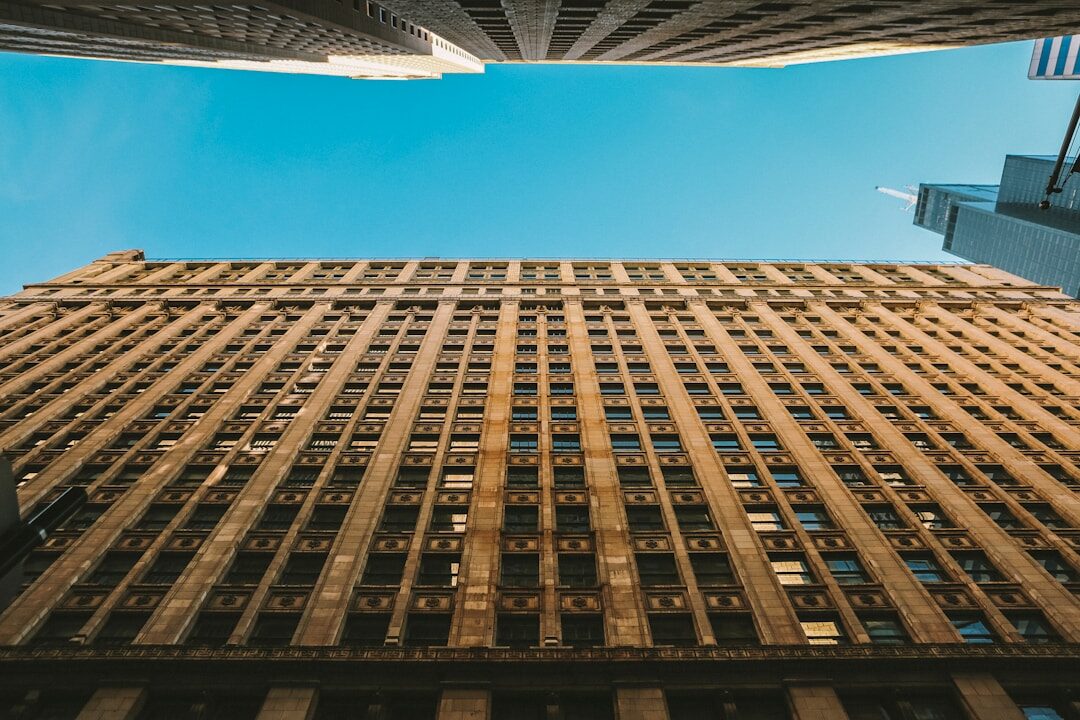
Chicago’s downtown streets contain museum-quality art that can be viewed for free. Begin at Daley Plaza with the untitled Chicago Picasso, a 50-foot steel sculpture unveiled in 1967. Its mysterious shape has inspired decades of debate about what it represents.
Continue south to Federal Plaza to see Alexander Calder’s Flamingo. The 53-foot red steel sculpture stands in bold contrast to the dark modern buildings surrounding it. Walking between the two pieces also takes visitors through the heart of the Loop, past government buildings, elevated trains, restaurants, and historic architecture.
Planning a tourist day in Chicago
Avoid trying to cover all 13 attractions in one day. Group the Loop stops together, including Skydeck, Union Station, the Route 66 marker, the Chicago Theatre, and downtown public art. The Driehaus Museum and International Museum of Surgical Science fit better into a Near North Side itinerary.
Reserve timed tickets for attractions such as Skydeck and Robie House before you arrive. Free stops offer more flexibility, but operating seasons and event closures can affect Buckingham Fountain and ART on THE MART.
Chicago is easy to explore by train and on foot, but distances may appear shorter on a map than they feel after several hours of sightseeing. Wear comfortable shoes and allow time for meals, photographs, and unexpected discoveries.
Wrapping up
The most interesting touristy things to do in Chicago combine famous views with stories visitors may not expect. You can stand above the city in a glass box, find the beginning of Route 66, enter a Gilded Age mansion, explore the history of surgery, and taste a dessert connected to the 1893 World’s Fair.
Mix major landmarks with smaller cultural stops rather than spending the entire trip at crowded attractions. That balance creates a Chicago visit that feels iconic, entertaining, and more personal than a standard sightseeing checklist.